Sleeve gastrectomy is an obesity treatment method based on surgically removing a large portion of the stomach and leaving behind a narrow, elongated stomach. The procedure helps reduce portion sizes and promotes an earlier feeling of fullness. However, eligibility is determined not only by body weight but also through a comprehensive health assessment.
Medically known as sleeve gastrectomy, this procedure largely preserves the natural pathway of the digestive system. No new connection is created in the intestines. Since the removed portion of the stomach cannot be restored, the procedure is irreversible.
- What Is the Purpose of Sleeve Gastrectomy?
- How Is the Stomach Reduced During Sleeve Gastrectomy?
- How Is Sleeve Gastrectomy Performed?
- Who May Be Eligible for Sleeve Gastrectomy?
- What Should the Body Mass Index Be for Sleeve Gastrectomy?
- Who May Not Be Suitable for Sleeve Gastrectomy?
- What Are the Advantages of Sleeve Gastrectomy?
- What Is the Difference Between Sleeve Gastrectomy and Gastric Bypass?
- Nutrition After Sleeve Gastrectomy
- What Should You Consider When Researching Sleeve Gastrectomy in Istanbul?
- Frequently Asked Questions About Sleeve Gastrectomy
Sleeve gastrectomy surgery should not be considered merely a mechanical procedure that allows a person to eat less. Changes in stomach volume may also affect certain hormonal processes related to satiety, hunger and food intake. Nevertheless, surgery alone does not guarantee permanent weight control. Adjusting eating habits, maintaining physical activity, receiving psychological support and attending regular follow-up appointments are essential parts of the process. In sleeve gastrectomy, the anatomy of the intestines is not altered; however, stomach capacity and appetite-related mechanisms may change.
What Is the Purpose of Sleeve Gastrectomy?
Bariatric surgery aims not only to reduce the number on the scale but also to help manage the health effects associated with obesity. Along with weight loss, some individuals may experience improvements in mobility, sleep quality and daily functioning.
Potential benefits for suitable patients may include:
- Easier portion control
- Changes in hunger and satiety patterns
- Support for weight loss
- Possible improvement in type 2 diabetes control
- Possible reduction in the burden of high blood pressure and sleep apnea
Improved ease of joint movement
Greater comfort during daily activities
The extent of these outcomes is not the same for everyone. Initial body weight, age, metabolic conditions, eating behavior and adherence to the follow-up program may directly influence the results.
How Is the Stomach Reduced During Sleeve Gastrectomy?
During stomach reduction surgery, the large outwardly expanding portion of the stomach is surgically separated and removed from the body. A narrower, tube-shaped stomach extending from the esophagus toward the small intestine remains.
This anatomical change has several main effects:
The amount of food the stomach can hold at one time decreases.
A feeling of fullness may occur earlier with smaller portions.
Changes may occur in the production of hormones associated with appetite.
Meal patterns and eating speed become more important.
Reducing stomach volume does not mean that a person will never feel hungry or can lose weight while consuming any food they want. High-calorie liquids, frequent snacking and uncontrolled eating habits may increase daily energy intake despite the smaller stomach volume.
How Is Sleeve Gastrectomy Performed?
The procedure is generally performed under general anesthesia using a minimally invasive surgical approach.
The main stages of sleeve gastrectomy may proceed as follows:
Several small incisions are made in the abdominal area.
A camera and surgical instruments are inserted into the abdomen through these incisions.
The tissues surrounding the stomach are carefully separated.
The width of the stomach to be preserved is determined using specialized measuring instruments.
A large portion of the stomach is separated using surgical staplers.
The separated portion of the stomach is removed from the abdomen.
The staple line and possible bleeding areas are checked.
A leak assessment may be performed when considered necessary.
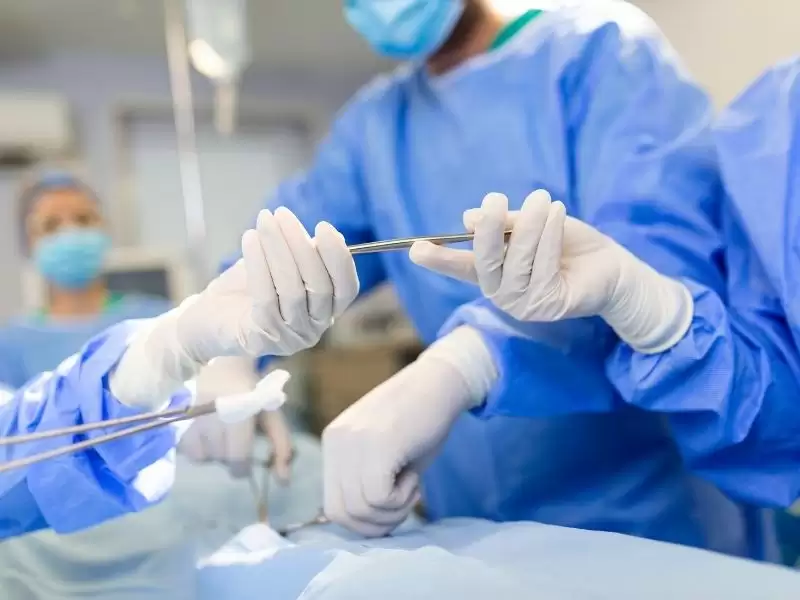
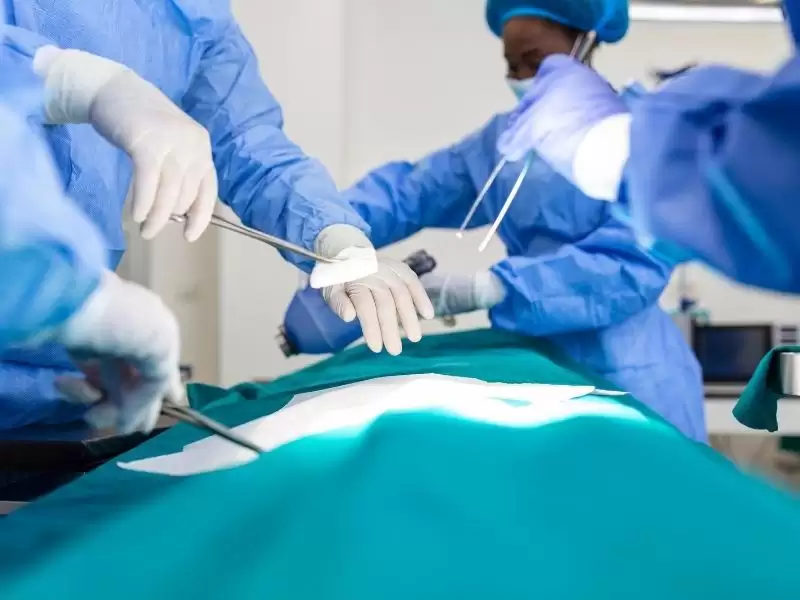
Laparoscopic sleeve gastrectomy is performed through small incisions rather than one large abdominal incision. However, a minimally invasive approach does not mean that the procedure is minor or insignificant. It is an operation performed under general anesthesia that permanently changes the anatomy of the stomach. Sleeve gastrectomy is generally performed laparoscopically and involves removing a large portion of the stomach.
Who May Be Eligible for Sleeve Gastrectomy?
The answer to the question “Who is sleeve gastrectomy suitable for?” cannot be determined solely by looking at a person's weight. Although the relationship between weight and height is important, the duration of obesity, accompanying health conditions, previous weight-loss methods and the ability to follow postoperative recommendations are also evaluated.
The following factors may be considered when assessing eligibility:
- The severity and duration of obesity
- Associated conditions such as type 2 diabetes, hypertension or sleep apnea
- Previous nutritional, exercise-based and medical treatments
- Heart and lung health in relation to general anesthesia
- Eating behavior and psychological preparedness
- Smoking, alcohol or substance use
- Ability to follow the postoperative nutrition program
- Ability to continue long-term follow-up appointments
Obesity surgery is not planned solely to change a person's appearance. The primary aim is to reduce the health burden associated with obesity and support sustainable weight management.
What Should the Body Mass Index Be for Sleeve Gastrectomy?
Body mass index is calculated by dividing a person's weight by the square of their height. However, this value alone is not sufficient to make a decision regarding surgery.
According to current approaches, bariatric surgery may be considered in suitable adults with a body mass index of 35 or higher even when no additional obesity-related condition is present. For individuals with a body mass index between 30 and 34.9, surgical options may be considered when type 2 diabetes or obesity-related health problems cannot be adequately controlled with non-surgical methods. Since national practices, hospital protocols and individual risks may vary, these figures should not be interpreted as automatic approval for surgery.
Who May Not Be Suitable for Sleeve Gastrectomy?
Eligibility criteria for sleeve gastrectomy involve more than simply wanting to undergo surgery. In certain situations, the procedure may be postponed or a different treatment approach may be preferred.
These situations may include:
- Health conditions that increase surgical risk to an unacceptable level
- Active alcohol or substance use disorder
- Certain uncontrolled psychiatric conditions
- Untreated severe eating disorders
- Pregnancy
- Inability to understand the outcomes of surgery and the need for follow-up
- Inability to comply with the nutrition program and follow-up appointments
- Certain uncontrolled stomach or intestinal conditions
Some of these situations are not necessarily permanent contraindications. Reassessment may be possible after appropriate treatment and preparation. Eligibility should therefore be determined through a multidisciplinary and individualized evaluation.

What Are the Advantages of Sleeve Gastrectomy?
When appropriate patient selection is made, the procedure may offer several potential advantages:
- No new connection is created in the intestines
- The natural passage of the digestive system is preserved
- It can generally be performed using a minimally invasive approach
- Smaller portions may promote an earlier feeling of fullness
- Changes in appetite regulation may occur
- It may contribute to long-term weight management
- It may be converted to another surgical procedure when necessary
These features do not mean that sleeve gastrectomy is the most appropriate method for every individual. Severe reflux, certain metabolic conditions, previous surgeries and a person's eating behavior may make another surgical approach more suitable.
What Is the Difference Between Sleeve Gastrectomy and Gastric Bypass?
In sleeve gastrectomy, a large portion of the stomach is removed, but the intestinal pathway is not altered. In gastric bypass, a small stomach pouch is created and part of the small intestine is connected to this pouch.
Gastric bypass may affect the passage and absorption of food through the digestive system more extensively than sleeve gastrectomy. Sleeve gastrectomy, on the other hand, is performed without creating an intestinal connection. Reflux, diabetes, eating habits, the risk of vitamin deficiencies and previous surgeries are taken into account when choosing a procedure. Neither method can be considered universally superior for all patients.
Nutrition After Sleeve Gastrectomy
After stomach surgery , nutrition is particularly important during the first six months. Following the dietary plan recommended after sleeve gastrectomy is an important part of recovery. The postoperative nutrition process generally progresses through five stages.
- Hospital Period (Days 1-4): This stage covers approximately the first four days and is generally spent in the hospital. During this period, fluids and nutritional support may initially be provided intravenously according to the patient's condition.
- Clear Liquid Period (First Month): During this stage, nutrition progresses primarily through appropriate liquid foods and supplements. Fluid requirements should be individualized according to the patient's needs and medical follow-up. Meal volume and frequency should follow the postoperative nutrition plan provided for the individual.
- Pureed Food Period (Months 1-3): Pureed foods may gradually be introduced in addition to liquids. Vegetables and suitable protein sources can be prepared in a soft or pureed consistency. Foods should be introduced according to tolerance and the individual's postoperative nutrition program.
- Transition to Regular Foods (Months 3-6): During this period, different solid foods may gradually be introduced. Foods should be chewed thoroughly, portions should remain controlled and liquids are generally consumed separately from meals according to the nutritional plan.
- Regular Food Period (After Month 6): A balanced eating pattern with controlled portions becomes increasingly important. Low-calorie, nutrient-dense foods and adequate protein intake should be prioritized according to individual nutritional needs.
Before and after sleeve gastrectomy – click for more information.
What Should You Consider When Researching Sleeve Gastrectomy in Istanbul?
People researching sleeve gastrectomy in Istanbul should not base their decision solely on the hospital's location, social media posts or the cost of surgery. Preoperative assessment, surgical safety and long-term follow-up are all parts of the same comprehensive process.
When evaluating bariatric surgery in Istanbul, sleeve gastrectomy should not automatically be selected. The most appropriate procedure should be determined according to the individual's health status, medical history and treatment goals.
Sleeve gastrectomy is one of the surgical options used in obesity treatment. Its effects extend beyond simply reducing the size of the stomach; the procedure may initiate broader changes in eating patterns, hunger and satiety mechanisms, and daily lifestyle habits.
Long-term weight control depends not only on technically completing the surgery but also on maintaining appropriate nutrition, adequate physical activity, vitamin monitoring, psychological well-being and long-term follow-up. Eligibility for surgery and the choice of procedure should therefore be evaluated individually.
Frequently Asked Questions About Sleeve Gastrectomy
Can People Eat Normally Again After Sleeve Gastrectomy?
After recovery is complete, many people can consume foods of normal consistency and a varied diet. However, portion sizes are smaller than before surgery. Eating too quickly, not chewing thoroughly, or consuming too much food at once may cause pain, nausea, and vomiting. Tolerance to dry meat, bread, rice, and certain high-fiber foods may vary from person to person.
When Can You Return to Work After Sleeve Gastrectomy?
The timing of returning to work depends on the physical demands of the job and the rate of recovery. People with desk jobs may return earlier, while those whose work involves heavy lifting or intense physical activity may need a longer recovery period. Even if the person feels well, activities that strain the abdominal area should not be resumed without surgical assessment.
Is Pregnancy Possible After Sleeve Gastrectomy?
Pregnancy is possible after sleeve gastrectomy, and fertility may improve with weight loss. However, pregnancy is generally not recommended during the period of rapid weight loss. In general, waiting 12–18 months for body weight to stabilize may be advised. Before pregnancy, iron, folate, vitamin B12, vitamin D, and other nutritional levels should be evaluated.
Does Sleeve Gastrectomy Cause Hair Loss?
Rapid weight loss after surgery, low protein intake, iron or zinc deficiency, and the body's response to surgical stress may lead to temporary hair loss. If hair loss begins, nutritional habits and blood values should be assessed rather than taking supplements without guidance. Adequate protein intake and correction of nutritional deficiencies are important.
When Can You Exercise After Sleeve Gastrectomy?
Short and regular walks are generally encouraged during the early period to increase mobility and reduce the risk of blood clots. Weightlifting, abdominal exercises, and high-intensity sports are usually introduced later. The exercise program should be increased gradually according to recovery, muscle strength, and any accompanying joint or cardiovascular conditions.
How Much Water Should You Drink After Sleeve Gastrectomy?
Daily fluid needs vary according to body weight, weather conditions, physical activity, and overall health. Water should be consumed in small sips and spread throughout the day. Drinking a large amount at once may cause pain or nausea. Dark urine, dizziness, dry mouth, and fatigue may indicate inadequate fluid intake.
Does Loose Skin Occur After Sleeve Gastrectomy?
The degree of loose skin depends on the amount of weight lost, age, skin structure, genetic characteristics, smoking, and muscle mass. Rapid and substantial weight loss may lead to excess skin around the abdomen, arms, breasts, and legs. Adequate protein intake and resistance exercise may support body composition but may not completely eliminate existing excess skin.
Does Hunger Continue After Sleeve Gastrectomy?
Appetite may decrease significantly after surgery, but hunger is not expected to disappear completely. Some return of appetite over time can be normal. It is important to distinguish physical hunger from the desire to eat due to stress, boredom, or habit. If persistent thoughts about food or loss of control over eating occur, eating behavior should be evaluated separately.