
Slimming Injections
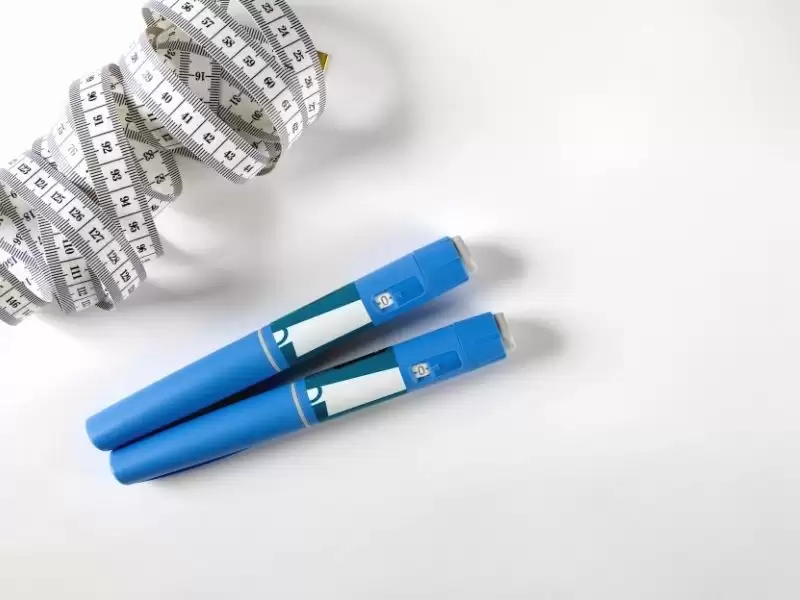
What Are Weight Loss Injections?
Weight loss is one of the topics many people focus on the most today. Excess weight carries significant risks not only i...

Most Common Mistakes When Using Weight Loss Injections
In recent years, weight loss injections (GLP-1 receptor agonists and GIP/GLP-1 receptor agonists) have become an importa...
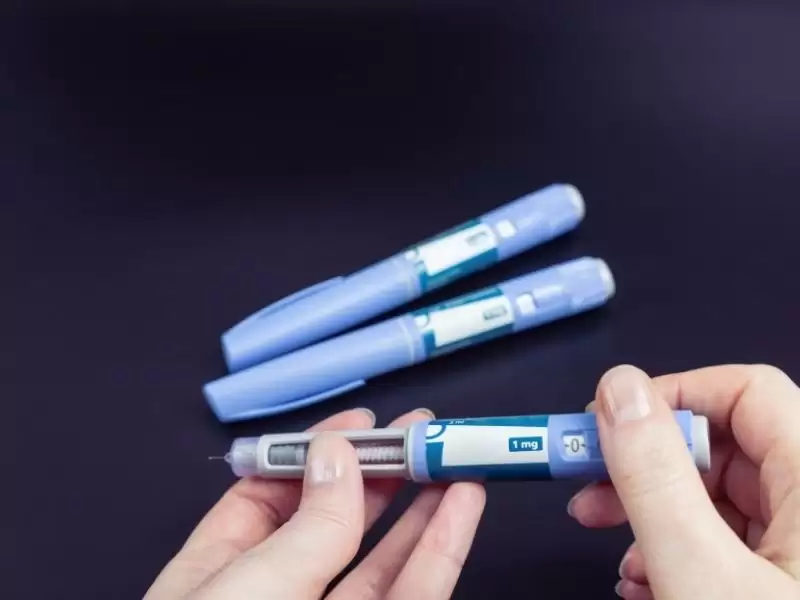
Are Weight Loss Injections Harmful?
Weight loss injections, which have rapidly gained popularity in recent years, stand out as a promising method in the fig...

Side Effects of Weight Loss Injections
Weight loss injections are seen as a major innovation in the treatment of type 2 diabetes and obesity. Although their po...

What Happens When You Stop Weight Loss Injections?
One of the most popular weight loss methods in recent years is weight loss injections. Many people who use these injecti...
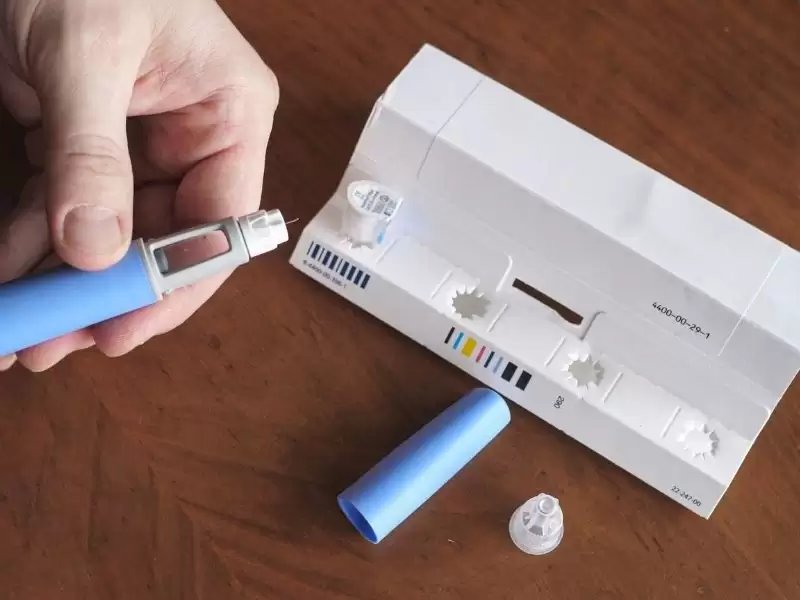
Is It Obesity Surgery or Weight Loss Injections? Which Is More Effective in the Treatment of Diabetes and Obesity?
Obesity surgery and weight loss injections offer different effects in the treatment of diabetes and obesity; for lasting...
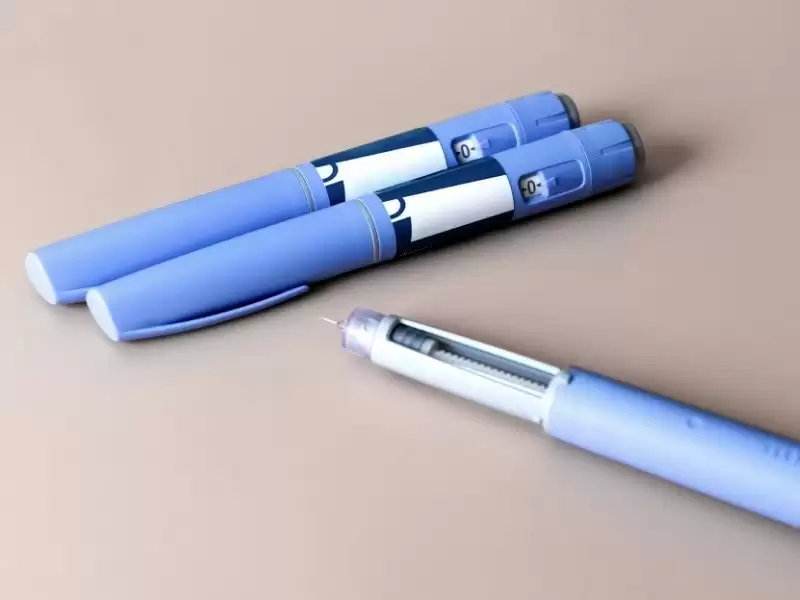
A Surprise With Weight Loss Injections
Weight loss injections, preferred by many people who want to lose weight in recent years, interact not only with weight ...
Weight loss injections are prescription medication options that may be used in the treatment of excess weight and obesity following a medical evaluation. Some weight loss injections affect hormonal pathways associated with appetite and food intake, helping patients feel full earlier and reduce their daily calorie intake. These medications should not be considered a rapid weight loss method on their own. They are evaluated as part of a comprehensive weight management program that includes a balanced diet, regular physical activity, and behavioral changes.
Eligibility for weight loss injections is determined by considering the patient’s body mass index, obesity-related health conditions, current medications, medical history, and previous weight loss attempts. The type of medication, frequency of administration, and dosage plan are arranged individually by the doctor. Not every weight loss injection is suitable for every patient.
Side effects such as nausea, vomiting, diarrhea, constipation, or abdominal discomfort may occur during treatment. Unsupervised use, products of uncertain reliability purchased online, and dosage changes made without medical advice may therefore pose health risks. Regular follow-up, adequate protein intake, healthy eating habits, and continued physical activity are important for successful and sustainable weight control.