
Obesity Surgery

Obesity Symptoms
Obesity is not a condition that can be explained only by an increase in the number on the scale. Obesity is associated w...

What İs Obesity Surgery
The question what is obesity surgery is important for people who consider excess weight not only an aesthetic concern bu...

What Is Obesity? in Meaning
Obesity, simply defined, is the excessive accumulation of fat in the body. It is not just an issue that affects a person...

Why Is Obesity Dangerous?
Obesity is a disease that seriously affects a person's quality of life and social life. Diseases caused by obe...
How Do We Weaken?
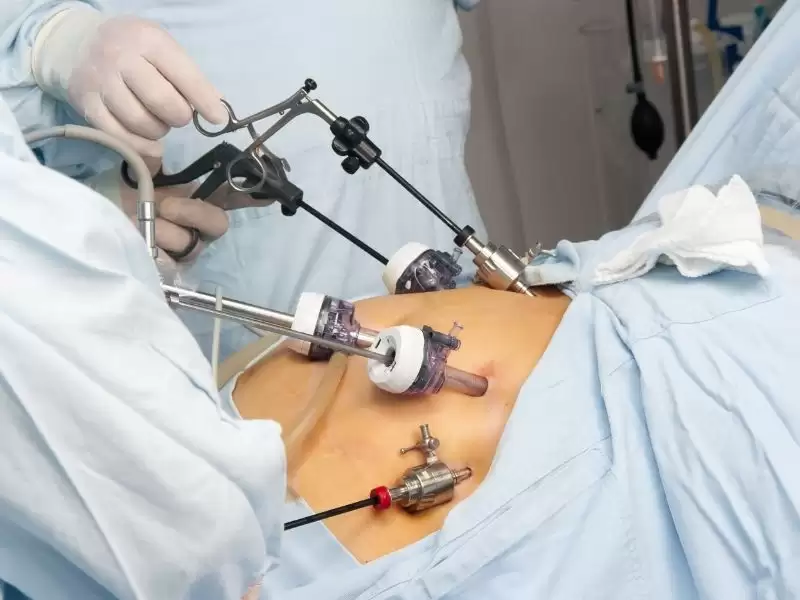
Obesity surgeries provide weight loss by restricting the stomach capacity, disrupting the absorption of food from t...

Who Is Candidate For Surgery?
Bariatric surgery is the most effective treatment in the fight against morbid obesity. However, not everyone can ha...

Benefits Of Obesity Surgery
Bariatric surgeries are not performed for cosmetic reasons. In addition to looking better by effectively losin...

After Obesity Surgery
The period after obesity surgery (bariatric surgery) is, in fact, the most critical and longest part of the treatment. B...
Obesity surgery encompasses surgical treatment methods considered for individuals who are unable to achieve sufficient weight loss through diet, exercise, and lifestyle changes. This process aims not only to support weight loss but also to help control obesity-related conditions such as type 2 diabetes, high blood pressure, sleep apnea, joint problems, and metabolic diseases.
Sleeve gastrectomy, gastric bypass, mini gastric bypass, and revisional obesity surgery are among the methods that may be considered depending on the patient’s health condition. The type of surgery to be performed is determined by considering the individual’s body mass index, age, eating habits, previous operations, and accompanying diseases.
Before obesity surgery, a detailed examination, blood tests, imaging procedures, and necessary specialist evaluations are performed. After surgery, dietary planning, vitamin and mineral supplementation, regular check-ups, and lifestyle changes are important. Successful outcomes in obesity surgery depend not only on the surgical procedure but also on the patient’s adherence to the follow-up program and ability to maintain new eating habits.