
The period after obesity surgery is not only a process in which weight loss begins; it is also a recovery period in which the body adapts to a new balance and changes occur in many areas, including the musculoskeletal system. Managing this period correctly is important to prevent muscle loss, reduce joint load, and improve movement quality in the long term. When balanced nutrition, controlled physical activity, and regular follow-up progress together after obesity surgery, both weight management and relief in load-bearing areas such as the lower back, knees, and hips become more noticeable.
- The First Days After Obesity Surgery And The Recovery Process
- When Should Walking Start After Obesity Surgery, And How Long Should It Last?
- Nutrition Stages After Obesity Surgery
- How Should the Liquid-Phase Diet Be After Obesity Surgery?
- When Do You Transition to Soft Foods After Obesity Surgery?
- When Do You Transition to Solid Foods After Obesity Surgery?
- How Is Portion Control Ensured After Obesity Surgery?
- Why Is Protein Intake Important After Obesity Surgery?
- How Much Water Should Be Consumed After Obesity Surgery?
- What Are the Mistakes Made While Eating After Obesity Surgery?
- Lifestyle And Habits After Obesity Surgery
- Medication Use After Obesity Surgery And Is a Stomach Protector Necessary?
- Common Problems After Obesity Surgery
- Follow-Up Visits And Long-Term Monitoring After Obesity Surgery
- When Does Weight Loss Start After Obesity Surgery, And How Does Its Pace Change?
- Is a Weight Plateau Normal After Obesity Surgery, And How Can It Be Overcome?
- Why Does Weight Regain Happen After Obesity Surgery, And How Can It Be Prevented?
- Frequently Asked Questions About After Obesity Surgery
The First Days After Obesity Surgery And The Recovery Process
The first days after obesity surgery involve the body coming out of the effects of anesthesia, regulating fluid balance, and starting movement safely. During this period, fatigue, gas pain, nausea, drowsiness, and intermittent pain may be experienced. The surgical team emphasizes controlled mobilization early on to reduce the risk of clots and support bowel movements. From an orthopedic perspective, the most critical point is not placing unnecessary load on the lower back, knees, or hips with sudden and incorrect movements. When changing position in bed, it is safer to turn to the side and use the arms for support rather than twisting the torso in one motion.
In the period after obesity surgery, recovery of the muscles and connective tissues is as important as wound healing. Remaining inactive can quickly reduce muscle strength, especially around the legs and hips. When muscle strength decreases, walking form deteriorates and the load increases around the kneecap and the lower back. Therefore, the goal in the first weeks should not be performance, but gaining a safe, regular, and sustainable movement habit. Fatigue may fluctuate; placing walking into the hours of the day when you feel better can make the process easier.
When Should Walking Start After Obesity Surgery, And How Long Should It Last?
Walking after obesity surgery usually begins as soon as the physician allows it and is planned with short distances as early as possible. The aim here is not to build fitness; it is to support circulation, reduce clot risk, open up breathing, and get the joints used to movement. From an orthopedic standpoint, walking form is more important than duration. Shoulders should be relaxed, steps short and controlled, and the sole of the foot should fully contact the ground. Walking while leaning forward can increase the load on the lower back; it is helpful to notice this posture that can occur due to the reflex to protect the abdominal area and gradually straighten up.
In the first weeks after obesity surgery, spreading walking throughout the day is generally better tolerated. For example, instead of a long walk in a single session, doing several short walks during the day reduces fatigue and balances the load on the joints. Ground selection is important for people with knee or hip pain. Hard surfaces can increase complaints; if possible, flat, non-slippery walking areas without excessive incline should be preferred. If there is shortness of breath, chest pain, significant swelling in the leg, or sudden pain while walking, the walk should be stopped and a physician should be consulted.
Nutrition Stages After Obesity Surgery
Nutrition after obesity surgery progresses gradually while the stomach volume and digestive system adapt to the new situation. Although the number or duration of stages may vary somewhat from doctor to doctor or dietitian to dietitian, the basic logic is the same: support healing without straining the stomach, ensure adequate protein and fluid intake, prevent vitamin-mineral deficiencies, and make new eating behaviors permanent. The importance of nutrition is not limited only to achieving weight loss; it is also critically important from an orthopedic perspective, such as preserving muscle tissue and supporting bone health.
Obesity surgery can be followed by rapid weight loss, so insufficient protein intake can increase muscle loss. As muscle loss increases, movement capacity decreases, balance worsens, and the load on joints is distributed incorrectly. For this reason, as the stages progress, the approach of “small amounts but the right content” should be adopted. Rushing into each new stage can trigger complaints such as nausea, vomiting, a feeling of tightness in the middle of the chest, increased reflux, or abdominal pain.

How Should the Liquid-Phase Diet Be After Obesity Surgery?
The liquid phase after obesity surgery is planned to maintain fluid balance and provide energy and protein support without straining the stomach. The main goal during this period is to be able to take fluids in frequent intervals with small sips. Drinking quickly at once can cause discomfort by stretching the stomach. Fluids should be spread throughout the day if possible, and a planned routine should be established rather than “drinking only when thirsty.”
After obesity surgery, sugary beverages, carbonated drinks, and very hot or very cold drinks can increase complaints during the liquid phase. In addition, caffeinated beverages may increase stomach sensitivity in some people. If protein support is needed, protein-containing liquid options recommended by the physician or dietitian can be used. From an orthopedic perspective, inadequate intake during the liquid phase can lead to indirect problems such as weakness, dizziness, and disruption of the walking routine. This reduces the sustainability of movement.
When Do You Transition to Soft Foods After Obesity Surgery?
The transition to soft foods after obesity surgery is planned according to stomach healing and tolerance. The aim at this stage is to rebuild chewing habits and increase food variety without straining the stomach. When selecting soft foods, “easy to swallow” is not the only criterion; options that will not irritate the stomach, will not cause bloating, and most importantly are high in protein content should be preferred.
In the period after obesity surgery, eating quickly, swallowing without chewing enough, and not taking breaks between bites are among the most common mistakes. These mistakes can result in pressure in the middle of the chest, nausea, and vomiting. From an orthopedic perspective, getting enough protein during the transition to soft foods helps preserve muscle strength. If muscle strength is preserved, the joints work in a more balanced way during walking, climbing stairs, and daily movements.
When Do You Transition to Solid Foods After Obesity Surgery?
The transition to solid foods after obesity surgery is a step that requires patience. Since stomach volume is reduced, even a very small amount can be filling. The main goal with solid foods is to choose “quality content” with small portions. Some foods may be difficult to tolerate in the early period; especially very dry, fibrous, or hard-textured foods can create a feeling of getting stuck in the middle of the chest.
After obesity surgery, once you transition to solid foods, filling half the plate with vegetables alone is not sufficient; protein priority should be maintained. Otherwise, muscle loss may increase. Muscle loss reduces stabilization around the joints and can cause complaints to persist, especially in people with knee pain. For this reason, in the solid-food period, both the meal plan and daily activity should be managed together.
How Is Portion Control Ensured After Obesity Surgery?
Portion control after obesity surgery begins with the volume restriction provided by surgery, but in the long term it becomes permanent through behavior change. Using a small plate, taking smaller bites, eating slowly, and chewing each bite well are core habits. Since the fullness signal can come quickly, insisting on “a few more bites” can result in discomfort.
One factor that can make portion control difficult after obesity surgery is emotional eating. Snacking due to stress, boredom, or habit can stretch the stomach and slow the targeted weight loss. From an orthopedic perspective, portion control helps reduce the load on joints more quickly. As weight decreases, the load on the knees and hips drops and walking comfort increases. Maintaining this motivation can strengthen portion discipline.

Why Is Protein Intake Important After Obesity Surgery?
Protein intake after obesity surgery is a critical topic for reducing muscle loss and supporting tissue healing. During a period of rapid weight loss, if adequate protein is not taken, the body becomes more prone to covering the energy deficit from muscle tissue. This means not only loss of strength, but also postural problems and decreased joint stability.
After obesity surgery, protein also supports the feeling of fullness and helps with portion control. From a musculoskeletal perspective, strong muscles protect the joint. When the muscles around the knee weaken, the knee joint is strained more; when the muscles around the lower back weaken, the tendency for lower back pain increases. Therefore, the protein target should be planned individually and followed up regularly.
How Much Water Should Be Consumed After Obesity Surgery?
Water consumption after obesity surgery is important to reduce fatigue, prevent constipation, and support overall recovery. Since stomach volume is small, it can be difficult to drink water all at once; therefore, progressing with small sips throughout the day is more appropriate. If water intake decreases, headaches, dizziness, a feeling of palpitations, and reduced performance may occur.
After obesity surgery, water consumption becomes even more critical while a walking routine is being established. Dehydration can increase muscle cramps and make walking more difficult. Also, drinking quickly may upset the stomach in some people; therefore, the goal should be continuity and tolerance. The ideal amount of water varies from person to person; the recommendation of the physician or dietitian should be the basis.
What Are the Mistakes Made While Eating After Obesity Surgery?
One of the most common mistakes after obesity surgery is eating quickly. When eating fast, the fullness signal cannot be caught and discomfort occurs despite the small stomach volume. The second common mistake is not chewing bites enough. Insufficient chewing can increase the risk of a sticking sensation and vomiting. The third important mistake is consuming liquids with meals. This can stretch the stomach, cause nausea, and disrupt portion control.
After obesity surgery, the “old portion visual habit” can also come into play. If the plate does not look full, it can feel like you have not eaten enough. However, the aim in this period is to reach sufficient nutritional value with a small amount. Inadequate nutrition and low fluid intake disrupt walking and exercise routines; when movement decreases, muscle loss increases and joint complaints can be prolonged, creating orthopedic problems.
Lifestyle And Habits After Obesity Surgery
Lifestyle after obesity surgery is the determinant of long-term success. Regular sleep, planned meals, adequate water, and gradual physical activity support weight management. Movement should become a natural part of daily life. Not only walking, but also daily posture and sitting habits are important. Sitting inactive for long periods can cause stiffness in the lower back and hip area; standing up at short intervals during the day is beneficial.
After obesity surgery, the goal is not “doing sports for a while and then quitting,” but establishing a sustainable activity routine. As joint load decreases with weight loss, activities that used to be difficult become more accessible. However, switching too early to fast-paced or high-impact exercises involving jumping can trigger knee and ankle problems. Therefore, activities should be increased gradually and pain signals should be taken seriously.
Medication Use After Obesity Surgery And Is a Stomach Protector Necessary?
Medication use after obesity surgery varies depending on the type of surgery, the person’s additional diseases, and the physician’s plan. In some periods, stomach-protective medications, vitamin-mineral supplements, or other supports may be recommended. A commonly discussed issue is the use of painkillers. Some painkillers can irritate the stomach and may not be suitable in the postoperative period.
After obesity surgery, for newly developing lower back, knee, or hip pain, it is safer to consult a physician rather than starting medication on your own. This is because the cause of the pain may sometimes be a postural change, sometimes muscle weakness, and sometimes tissue adaptation accompanying rapid weight loss. The correct approach is to identify the source of the pain and, if necessary, support it with a physical therapy and exercise plan.
Common Problems After Obesity Surgery
Common problems after obesity surgery include fatigue, constipation, nausea, increased reflux complaints, vitamin-mineral deficiencies, and sometimes hair loss. A significant part of these may decrease as nutrition and fluid intake improve. However, if some complaints persist, an evaluation is needed.
From an orthopedic perspective after obesity surgery, during rapid weight loss, a decrease in muscle strength, deterioration in walking form, and lower back-knee pain attacks may be observed. Another topic is the risk of falls that can occur with sudden movement. On days with weakness and dizziness, it is important to get support for walking safety and avoid slippery surfaces. In addition, long-standing problems such as knee osteoarthritis or a herniated disc may ease as weight decreases; however, if muscle weakness continues, complaints may not disappear completely.
Follow-Up Visits And Long-Term Monitoring After Obesity Surgery
Follow-up after obesity surgery is not a one-time check-up; it is a long-term roadmap. Along with the follow-up by the surgical team and dietitian, an orthopedic evaluation may also be useful in people with musculoskeletal complaints. Because as weight is lost, walking style changes, the gait pattern transforms, and joint load distribution is reshaped.
After obesity surgery, regular follow-up enables early detection of vitamin-mineral deficiencies. Deficiencies can affect bone health. Maintaining vitamin D and calcium balance is especially important for bone density. In the long term, the goal is to strengthen muscles, protect joints, and make weight management permanent with a more active life.
When Does Weight Loss Start After Obesity Surgery, And How Does Its Pace Change?
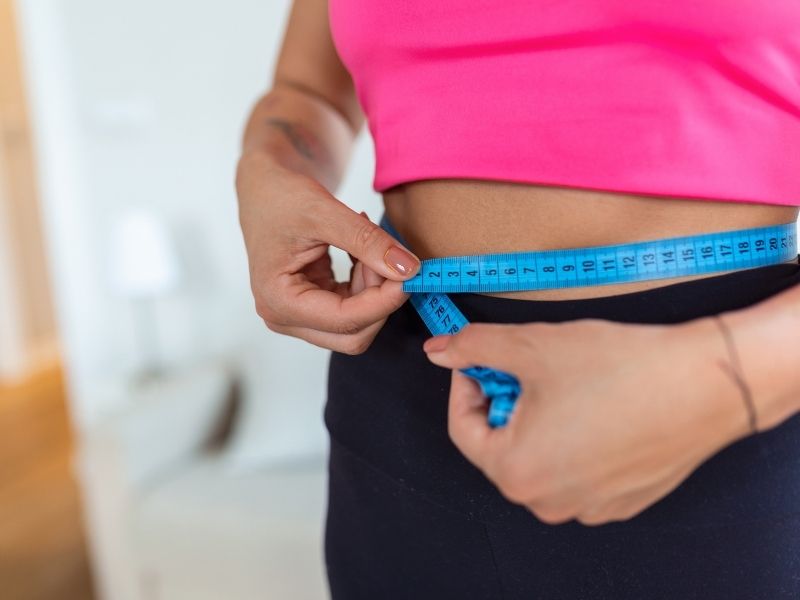
Weight loss after obesity surgery usually starts in the early period; however, the pace varies from person to person. The type of surgery, starting weight, adherence to nutrition, activity level, and metabolic differences affect this pace. A faster loss in the first months is common; it is expected that the pace may slow down in the following months.
From an orthopedic perspective after obesity surgery, weight loss can contribute to pain relief by reducing the load on the knee and hip joints. However, not only weight loss but also preservation of muscle strength is decisive. If muscle also wastes away while weight decreases, the joints may not be protected adequately. Therefore, regardless of the pace of weight loss, regular walking and an appropriate exercise plan remain important.
Is a Weight Plateau Normal After Obesity Surgery, And How Can It Be Overcome?
A weight plateau after obesity surgery is a period that can be seen in many people. As the body adapts to the new energy balance, the initial rapid loss may slow down. This can reduce motivation; however, it can be managed with proper evaluation. The most common reasons for a plateau are: unnoticed growth in portions of high-carbohydrate foods, an increase in liquid calories, moving away from the protein target, and decreased activity.
During a plateau period after obesity surgery, from an orthopedic perspective, the best move is to make movement more regular. Increasing walking time as tolerated, spreading it throughout the day, and, if possible, transitioning to low-impact muscle-strengthening exercises can support overcoming the plateau. For people with knee pain, water walking or low-impact activities may be more comfortable. If the plateau persists, the plan should be reviewed together with the surgical team and the dietitian.
Why Does Weight Regain Happen After Obesity Surgery, And How Can It Be Prevented?
Obesity weight regain after surgery is usually not due to a single cause. Returning to old eating habits, frequent snacking, increased liquid calories, disruption of the protein and fiber balance, irregular sleep, and difficulty managing stress can trigger this process. In addition, decreased physical activity can increase muscle loss and weaken the metabolic advantage.
The strongest way to prevent weight regain after obesity surgery is to build a sustainable routine. From an orthopedic perspective, this routine should be supported by regular walking and strength-building habits. Strong muscles both protect the joints and increase daily mobility. A daily step goal, a regular meal plan, water tracking, and not missing follow-up appointments reduce the risk of regain in the long term. If lower back, knee, or hip pain increases again, continuing with an appropriate activity instead of “quitting movement” is a more correct approach.
Frequently Asked Questions About After Obesity Surgery
Obesity Surgery: How Soon Do You Lose Weight?
The weight-loss process after obesity surgery varies from person to person. Generally, rapid weight loss is seen in the first 6 months. By the end of 1 year, patients may lose 60–80% of their excess weight. Eating habits, exercise routine, and adherence to follow-up visits directly affect the success of this process.
Is it mandatory to take vitamin supplements after obesity surgery?
After obesity surgery, the body’s absorption of vitamins and minerals decreases. Therefore, essential vitamins and minerals such as B12, iron, vitamin D, and calcium need to be taken as supplements. The dose and duration of supplements should be determined by the physician.
Does hair loss occur after obesity surgery?
After obesity surgery, temporary hair loss may occur, especially within the first 3–6 months. This is due to rapid weight loss, hormonal changes, and vitamin deficiencies. With regular vitamin supplementation and balanced nutrition, this condition is usually temporary.
Can alcohol be consumed after obesity surgery?
Alcohol consumption is not recommended after obesity surgery. Since stomach volume is reduced, alcohol enters the bloodstream more quickly, and even small amounts can have significant effects. In addition, alcohol contains empty calories, can negatively affect weight loss, and may harm the liver.
Is it possible to get pregnant after obesity surgery?
It is possible to become pregnant after obesity surgery. However, for pregnancy planning, it is generally recommended to wait 12–18 months after surgery. During this period, the body’s balance stabilizes, nutritional deficiencies improve, and pregnancy can be maintained more safely.
When can you start climbing stairs after obesity surgery?
Short stair trials can usually begin in the early period with the physician’s approval and without overexertion; if shortness of breath, dizziness, or significant pain occurs, a break should be taken.
Is it normal if knee and hip pain increases after obesity surgery?
A short-term increase can be seen due to walking form changes and muscle weakness; if it lasts longer than a few days, worsens, or swelling accompanies it, evaluation is needed.
When can you go to the gym after obesity surgery?
Although walking can start early, a gradual transition to weight training and high-effort workouts is recommended after a physician check-up; low-impact exercises should be prioritized.
Which habits are important to support joint health after obesity surgery?
Regular walking, strength training, adequate protein and water intake, good sleep, and avoiding sudden overloading improve joint comfort.
Why can postural problems and lower back pain increase after obesity surgery?
Rapid weight loss and decreased muscle strength can affect posture; controlled exercises that strengthen the core muscles and proper walking form can help.
Can vitamin and mineral deficiencies affect bones after obesity surgery?
Yes. Especially vitamin D, calcium, and some other deficiencies can negatively affect bone health; regular follow-up and supplementation based on the physician’s recommendation are important.