
Tube Stomach
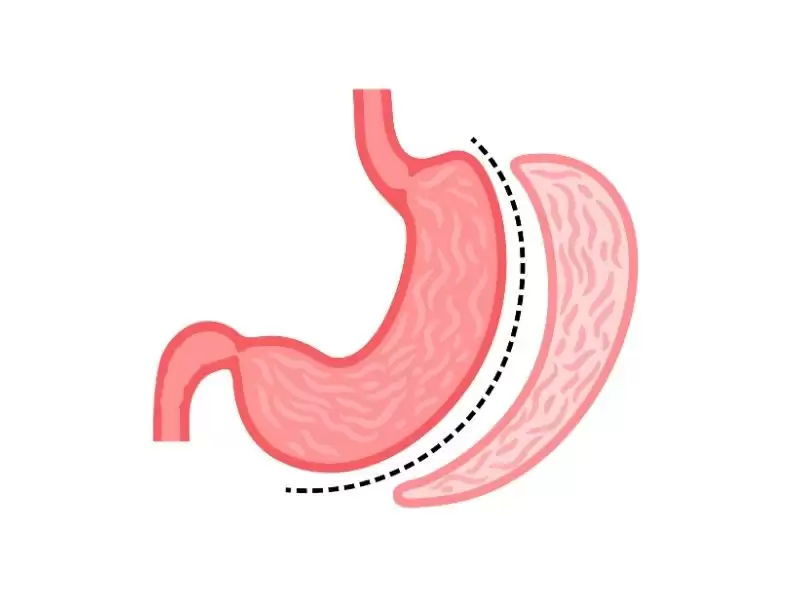
What Is Tube Stomach?
Gastric sleeve surgery (banana stomach, stomach reduction, sleeve gastrectomy) is an operation to create a new stom...
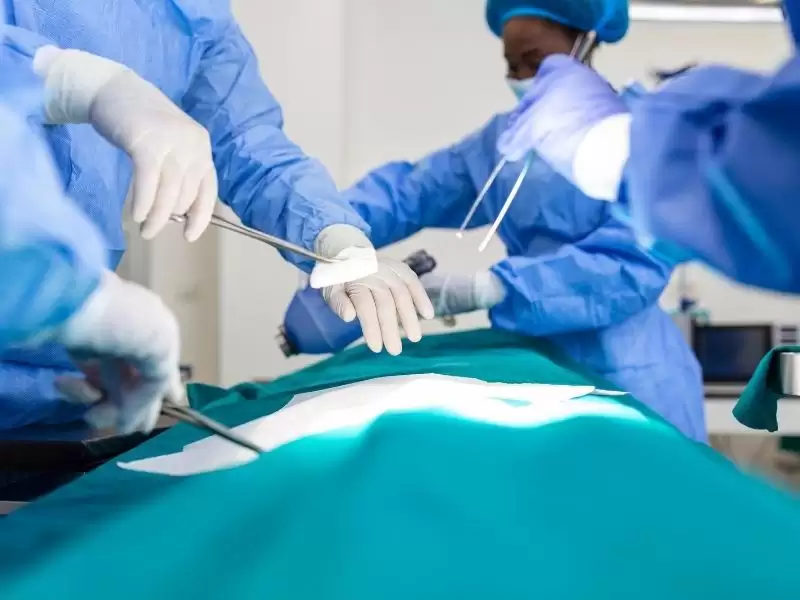
How Does Tube Stomach Surgery Weakness?
Gastric reduction (Tube Stomach) surgery is the most widely applied method worldwide today (60% of all obesity surg...

Does Gastric Sleeve Surgery Have Risks?
You have decided to have obesity surgery and you have shared this situation with family members or close friends.&n...
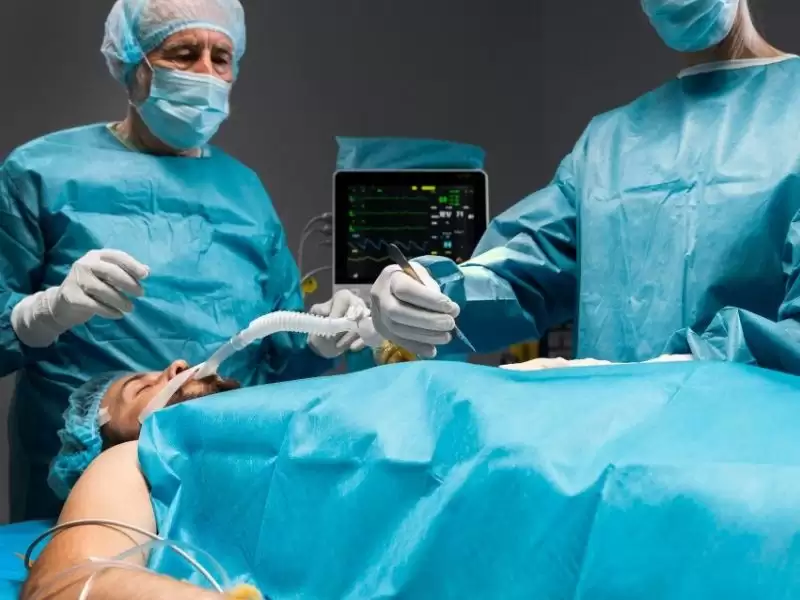
Before And After Tube Stomach Surgery
Yes, you have talked to your doctor and you have decided to have a gastric sleeve (Tube Stomach) Surgery .&nbs...

Will I Gain Weight Again?
Bariatric surgery is not an inpatient weight loss method. Surgery is just the beginning. It allows you to...

Nutrition After Gastric Sleeve Gastrectomy
Although sleeve gastrectomy is an effective method in the fight against obesity, the postoperative diet is as important ...

Sleeve Gastrectomy
Sleeve gastrectomy (gastric sleeve surgery) is also commonly known as “banana stomach” or stomach reduction surgery. Dur...

Sleeve Gastrectomy Revision
Sleeve Gastrectomy Revision refers to the need for a new surgical planning process due to insufficient weight loss, weig...
Sleeve gastrectomy is one of the surgical methods considered in the treatment of obesity. During this procedure, also known as gastric sleeve surgery, a large portion of the stomach is removed to create a smaller, tube-shaped stomach. This aims to reduce the amount of food that can be consumed and help patients feel full earlier.
Eligibility for sleeve gastrectomy is determined by considering the patient’s body mass index, age, general health condition, eating habits, and obesity-related diseases. Before surgery, blood tests, imaging procedures, anesthesia assessment, and necessary specialist consultations may be planned.
After sleeve gastrectomy, patients gradually progress through liquid, puréed, and solid food stages. Adequate protein intake, vitamin and mineral supplementation, regular check-ups, and physical activity are important parts of the process. Surgery alone is not sufficient for long-term weight control. Adapting to a new eating pattern, maintaining portion control, and attending the follow-up program regularly are essential for successful outcomes.