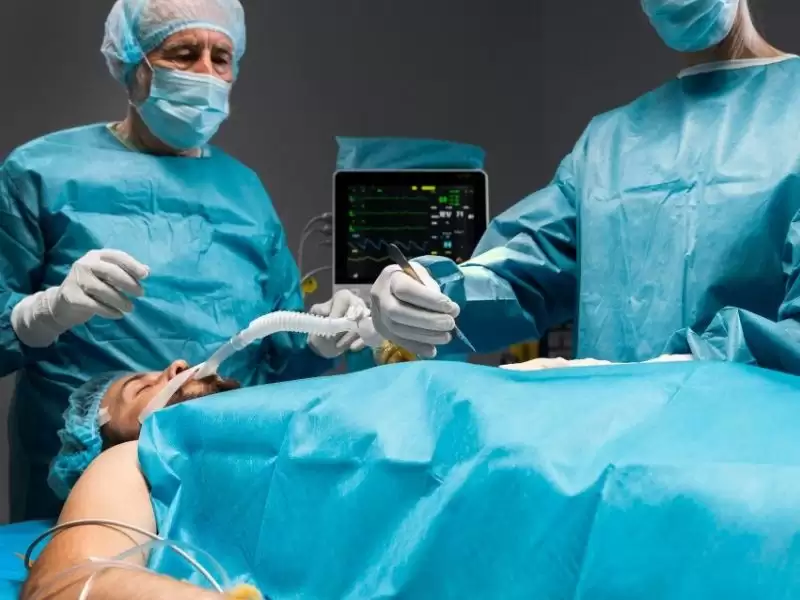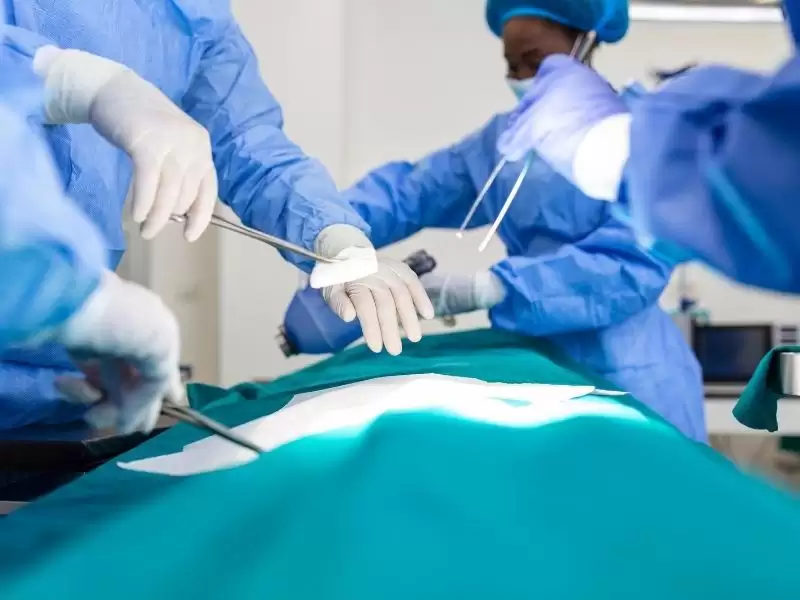
Sleeve gastrectomy (gastric sleeve surgery) is also commonly known as “banana stomach” or stomach reduction surgery. During this operation, approximately 80% of the stomach is surgically removed, creating a long, narrow, banana-shaped stomach. As a result, stomach capacity decreases, and the effect of appetite-regulating hormones is also reduced.
The surgery is performed using a laparoscopic (minimally invasive/closed) technique, and because the incisions are very small, the recovery process is faster. A special device called a stapler securely closes the removed section of the stomach with three rows of titanium staples. These staples are permanent and integrate with the body over time. Don’t worry—there will be no issues with detectors in places like airports or shopping malls.
History and Development of Sleeve Gastrectomy
Sleeve gastrectomy was first performed in 2001 in patients with severe obesity. At that time, the main goal was to help these individuals lose weight rapidly and thereby improve the safety of more complex and higher-risk surgeries such as the duodenal switch that might be performed later. In other words, the gastric sleeve was initially considered a “preparatory procedure.”
However, follow-up over time showed that sleeve gastrectomy is highly effective on its own. A large proportion of patients experienced significant weight loss after this procedure, and conditions such as diabetes and hypertension came under control. As a result, a second surgery was often no longer necessary, and the gastric sleeve quickly became one of the most preferred obesity surgery methods worldwide.

What Are the Advantages of Sleeve Gastrectomy?
The main advantage of sleeve gastrectomy is that it leads to rapid and lasting weight loss in patients. By reducing stomach volume, people feel full with much smaller portions, which significantly decreases daily calorie intake. In addition, because the fundus region—where ghrelin, known as the hunger hormone, is produced—is removed during surgery, the feeling of hunger decreases, making weight loss easier. With the weight loss achieved, many obesity-related conditions such as diabetes, hypertension, sleep apnea, and joint problems show remarkable improvement.
Another advantage of sleeve gastrectomy is that it is performed using a laparoscopic technique. Since very small incisions are made with this method, recovery is faster and the patient can return to daily life in a short time. Also, because no changes are made to the intestines after sleeve gastrectomy, food absorption is largely preserved. This helps reduce the frequency of vitamin and mineral deficiencies. Sleeve gastrectomy is one of the most important steps that supports a healthier life in the long term, helps overcome mobility limitations caused by excess weight, and improves overall quality of life.
What Is the Appropriate Weight Range for Sleeve Gastrectomy?
The most important assessment criterion for sleeve gastrectomy is the person’s body mass index (BMI). In general, individuals with a BMI of 40 or higher are suitable candidates for this surgery. In addition, individuals with a BMI of 35 or higher who have obesity-related health problems such as diabetes, hypertension, or sleep apnea, as well as those with a BMI between 30–34.9 kg/m² who have uncontrolled type 2 diabetes or metabolic syndrome, may also be candidates for sleeve gastrectomy. These criteria show that the surgery is not only for aesthetic reasons but also for a serious medical need.
However, not everyone who is overweight is suitable for sleeve gastrectomy. For individuals with a BMI below 35, diet, exercise, and lifestyle changes are generally recommended as the first approach. In addition, the person’s overall health status, physical ability to tolerate surgery, and psychological readiness are also evaluated. Therefore, anyone considering sleeve gastrectomy must first undergo a detailed medical examination.
Which Patients Are Not Suitable for Sleeve Gastrectomy?
Sleeve gastrectomy is not an appropriate option for every individual with obesity. In particular, this operation is risky for people with severe heart or lung failure or those with serious health problems that make them unable to tolerate surgery. In addition, individuals with active alcohol or substance addiction are not accepted as candidates because they may not be able to comply with the post-operative process. Likewise, the procedure is generally not preferred for individuals with uncontrolled psychiatric disorders, as the success rate tends to be lower.
In addition, pregnant women and women who are planning to have a child in the near future are not considered suitable candidates for sleeve gastrectomy. This is because the post-operative nutrition plan and the need for vitamin and mineral supplementation may negatively affect pregnancy. People with a very low body mass index who want to lose weight solely for aesthetic reasons are also not considered suitable for this surgery. Therefore, sleeve gastrectomy is the right option only for individuals who meet specific medical criteria and can adapt to long-term lifestyle changes.