Sleeve Gastrectomy Revision refers to a new surgical planning process required due to insufficient weight loss, weight regain over time, persistent complaints such as reflux, or anatomical changes such as dilation of the gastric sleeve in patients who have previously undergone sleeve gastrectomy. There is no single revision method suitable for every patient; the key is to clearly identify the underlying problem and select the most appropriate approach accordingly. In bariatric and metabolic surgery, the revision plan is created by evaluating nutritional habits, metabolic status, postoperative follow-up routine, and the technical details of the first surgery together. When performed with the correct indication and thorough preparation, Sleeve Gastrectomy Revision can significantly improve both weight control and quality of life.
- What Is Sleeve Gastrectomy Revision?
- What Is the Difference Between Sleeve Gastrectomy Revision and Re-Sleeve?
- Who May Be Suitable for Sleeve Gastrectomy Revision?
- Why Is Sleeve Gastrectomy Revision Performed?
- Methods of Sleeve Gastrectomy Revision
- Surgical Process and Hospital Stay
- Nutrition and Supplements After Revision
- Lifestyle and Weight Control
- When Can Exercise Begin?
- Weight Loss After Sleeve Gastrectomy Revision
- Is Weight Plateau Normal?
- How to Prevent Weight Regain After Revision?
- Risks and Considerations
- Do the Risks Differ From the First Surgery?
What Is Sleeve Gastrectomy Revision?
Sleeve Gastrectomy Revision is a secondary surgical planning process considered when expected clinical outcomes are not achieved after a previous sleeve gastrectomy, or when new problems develop over time. The aim is not simply to operate again, but to accurately determine the source of the problem and provide a lasting solution.
In some patients, weight loss after the first surgery may be less than expected. In others, satisfactory weight loss may initially occur but be followed by weight regain years later. Persistent reflux, esophageal irritation, dilation of the gastric sleeve, anatomical deformities (such as hiatal hernia or stricture), technical complications, or reduced nutritional tolerance may also necessitate revision.
To determine the need for revision accurately, the timeline of weight change is essential. Insufficient weight loss and weight regain may arise from different mechanisms. The severity of reflux symptoms, response to medication, endoscopic findings, and esophageal health must also be carefully evaluated. The decision should not be based solely on the number on the scale but on a comprehensive clinical assessment.
What Is the Difference Between Sleeve Gastrectomy Revision and Re-Sleeve?
Sleeve Gastrectomy Revision is a broad term referring to the selection of the most appropriate secondary surgery based on the problem that has developed. Re-sleeve gastrectomy is only one of the possible revision options.
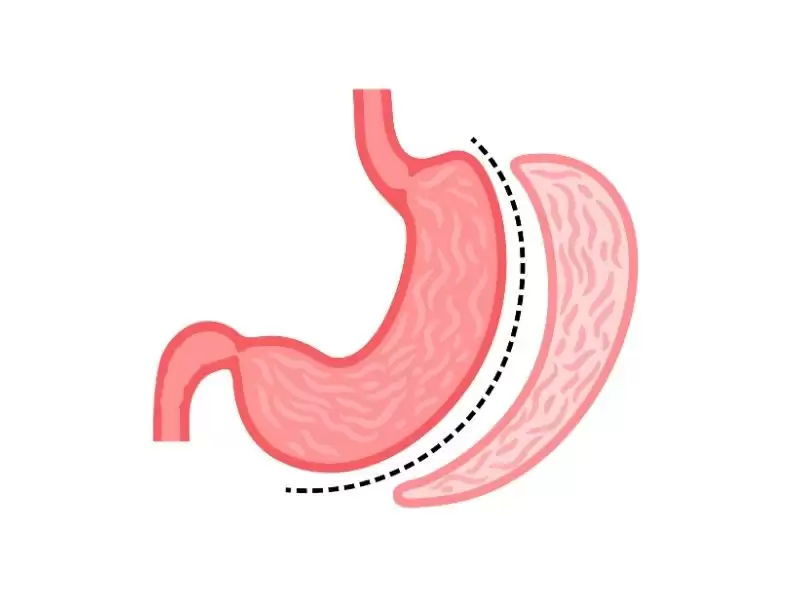
Re-sleeve is generally considered when there is significant dilation of the gastric sleeve, increased stomach volume, or insufficient narrowing after the first surgery. In this approach, the stomach is reshaped and the sleeve configuration is reinforced.
However, revision may also involve conversion to another bariatric procedure, particularly if reflux is the dominant issue. In cases of severe and persistent reflux, simply re-tightening the stomach may not resolve symptoms. The objective of revision—whether to enhance weight loss, control reflux, improve metabolic diseases, or address multiple issues simultaneously—determines the chosen method. Sleeve Gastrectomy Revision reflects this flexibility, whereas re-sleeve represents a more specific surgical option.
Who May Be Suitable for Sleeve Gastrectomy Revision?
Revision is not automatically appropriate for every patient. It is typically considered in cases of failure to reach target weight, significant weight regain, decreased quality of life due to reflux, or detection of sleeve dilation or anatomical problems on endoscopy.
The decision is also closely related to the patient’s adherence to lifestyle changes and follow-up care. Sometimes the root cause is not technical but behavioral—such as disrupted eating patterns, high-calorie liquid consumption, frequent snacking, or insufficient physical activity.
Evaluation includes current body mass index, comorbid conditions, severity of reflux, psychological eating behaviors, sleep patterns, stress management, and regularity of previous follow-ups. It must also be clarified that the patient can comply with postoperative nutritional and follow-up programs.
Why Is Sleeve Gastrectomy Revision Performed?
The reasons can be grouped into three main categories:
Failure to achieve weight-loss goals
Weight regain
Symptom- or complication-related issues
In cases of insufficient weight loss, the sleeve may have remained wider than intended or dilated over time. Weight regain often involves both anatomical and behavioral factors.
Among symptom-focused reasons, reflux is the most common. Other indications may include nausea, vomiting, difficulty swallowing, sleeve stricture, or chronic abdominal pain. The revision strategy is determined according to the dominant problem.
Methods of Sleeve Gastrectomy Revision
Revision methods are individualized; the same plan is not applied to every patient. Re-sleeve may be considered for significant sleeve dilation. If reflux is predominant, conversion to another bariatric procedure more suitable for reflux control may be recommended. If stronger weight loss is desired, procedures with additional hormonal or malabsorptive effects may be planned.
The priority is not the popularity of the technique but its suitability to the patient’s anatomy, symptoms, and metabolic needs. Additional corrections, such as hiatal hernia repair, may also be required.
Surgical Process and Hospital Stay
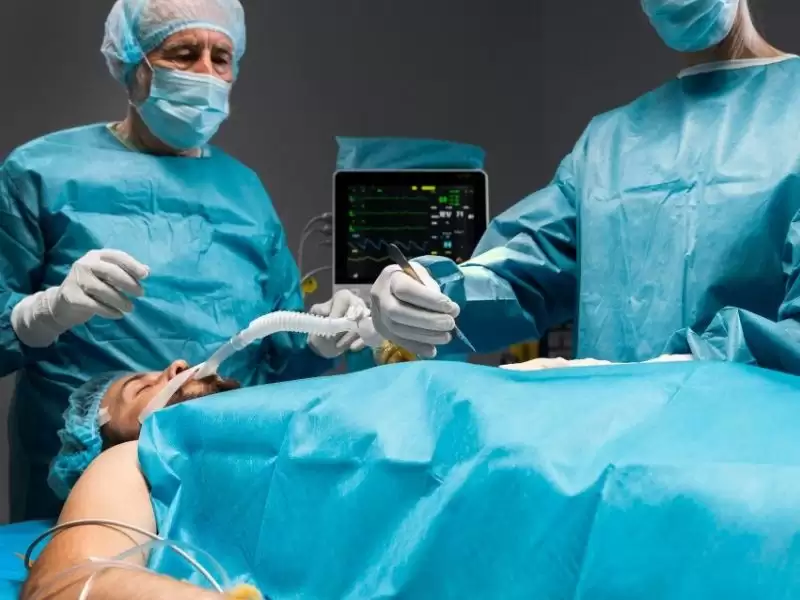
Revision surgery requires more detailed planning than the first procedure because adhesions may be present in the previously operated area. This can make the operation technically more complex, highlighting the importance of an experienced surgical team.
During hospitalization, vital signs, fluid balance, and potential complications are closely monitored. Patients receive guidance on mobilization, breathing exercises, and gradual fluid intake.
Length of hospital stay varies depending on the type of procedure and the patient’s overall condition. The goal is safe discharge rather than prolonged hospitalization.
Nutrition and Supplements After Revision
Post-revision nutrition aims to support healing and strengthen long-term weight control. Adequate fluid and protein intake is essential. Protein helps preserve muscle mass and enhance satiety.
Vitamin and mineral levels—including iron, vitamin B12, folate, vitamin D, and calcium—must be regularly monitored. Irregular supplement use may lead to fatigue, hair loss, and muscle weakness.
Lifestyle and Weight Control
Revision surgery is a powerful tool, but sustainable results depend on lifestyle factors such as sleep quality, stress management, regular physical activity, and adherence to dietary guidelines.
Regular follow-up appointments, laboratory monitoring, and dietitian support are crucial for maintaining progress and motivation.
When Can Exercise Begin?
In the early postoperative period, light walking is encouraged to support circulation and healing. With physician approval, activity intensity can gradually increase, including exercises aimed at preserving muscle mass.
Consistency is more important than intensity. A sustainable routine provides better long-term outcomes.
Weight Loss After Sleeve Gastrectomy Revision
Weight loss typically begins early, but the rate varies depending on the procedure, starting weight, and adherence to recommendations. The focus should not be rapid weight loss but steady fat reduction while preserving muscle mass.
Expectations should be discussed realistically, as revision may not produce the same dramatic effect as the primary surgery in every patient.
Is Weight Plateau Normal?
Yes, weight plateaus can occur due to metabolic adaptation, fluid balance changes, and body composition shifts. During this period, dietary intake, protein targets, hydration, sleep, and physical activity should be reassessed.
How to Prevent Weight Regain After Revision?
Prevention relies on a sustainable routine:
Prioritizing protein-rich meals
Avoiding liquid calories
Practicing portion control
Planning grocery shopping
Maintaining regular exercise
Early identification of small deviations through regular follow-up makes correction easier.
Risks and Considerations
Since revision is performed in previously operated tissue, it carries specific risks and requires careful planning. In addition to general surgical risks such as bleeding, infection, and leakage, nutritional tolerance and vitamin-mineral balance must be closely monitored.
Do the Risks Differ From the First Surgery?
Yes. Because the anatomy has already been altered and adhesions may be present, revision procedures can be technically more demanding. The risk profile varies depending on the chosen method.
The decision for Sleeve Gastrectomy Revision should always be based on a careful risk-benefit evaluation. An experienced team, proper patient selection, and consistent follow-up are the key factors that enhance safety and success in revision surgery.