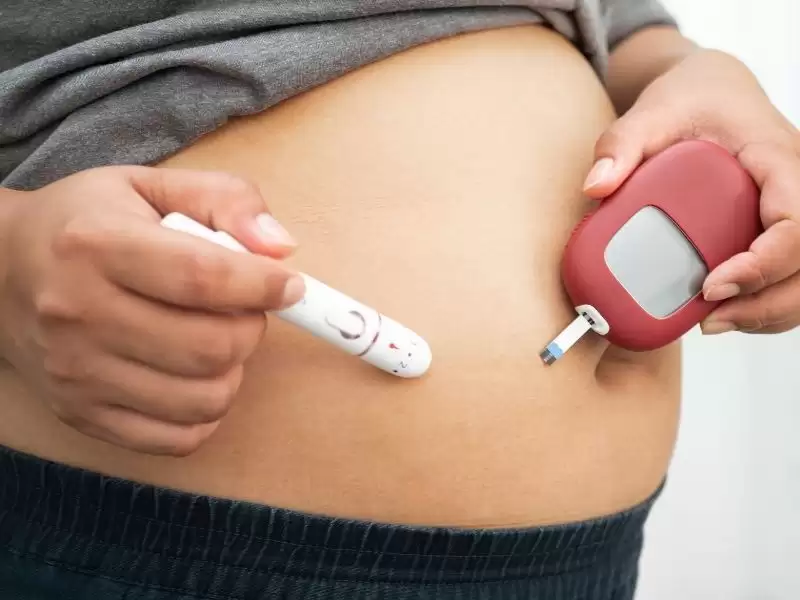
Today, medications known as "weight loss injections" (GLP-1 receptor agonists), which are widely used in the treatment of obesity, excess weight, and type 2 diabetes, can produce substantial weight loss by significantly suppressing appetite. However, this rapid and effective weight loss process may also bring a serious danger that is not immediately visible from the outside: Severe vitamin and mineral deficiencies.
An analysis involving more than 461,000 patients in the United States revealed that approximately 1 in 5 people using these medications developed nutritional deficiencies within the first year of treatment.
The Obesity Paradox
Obesity itself is associated with micronutrient (vitamin and mineral) deficiencies. Excess body fat can trap fat-soluble vitamins, such as vitamin D, within adipose tissue, limiting their availability in the bloodstream.
Likewise, chronic inflammation associated with obesity can increase certain hormones released by the liver, making it more difficult for the intestines to absorb iron.
Therefore, individuals may already have borderline or depleted vitamin stores when they begin treatment with weight loss injections . When food intake also decreases due to medication, these deficiencies may reach critical levels that threaten health.

The Most Common Vitamin and Mineral Deficiencies and Their Consequences
Vitamin D and Calcium Deficiency
Vitamin D is by far one of the nutrients most commonly lacking in patients. Daily vitamin D intake among people using these medications may reach only 20% of the recommended amount. Beyond causing fatigue and muscle weakness, vitamin D deficiency accelerates bone loss by impairing calcium absorption from the intestines.
Experts particularly recommend that individuals over the age of 50, menopausal women, men with low testosterone levels, and patients with low bone mass take a daily calcium supplement of 500 mg during this process.

Thiamine (Vitamin B1) Deficiency and Risks to the Nervous System
Although rare, one of the deficiencies with the most severe consequences is the depletion of vitamin B1 (thiamine) . Thiamine is essential for the brain to convert glucose into energy.
During the use of weight loss injections, particularly in patients experiencing severe nausea and rapid weight loss, a condition called "Wernicke Encephalopathy", an acute neurological disorder, may develop when thiamine stores become completely depleted.
Medical literature includes case reports of patients who lost weight rapidly within as little as three months while using weight loss injections but were subsequently hospitalized due to leg weakness, severe numbness, visual disturbances, and confusion.
Iron, Magnesium, Zinc, and Other Nutrient Deficiencies
As appetite decreases, reduced consumption of red meat, vegetables, and whole grains may deplete iron stores and lead to anemia. Increasing iron deficiency may be the underlying cause of fatigue that patients often dismiss as a "side effect of the medication." In addition, significant reductions may occur in zinc, which supports the immune system, magnesium, which regulates heart rhythm and muscle function, and daily fiber intake.
To lose weight healthily while using weight loss injections and avoid lasting damage to the body, the following points should be considered:
Standard Multivitamins May Not Be Enough: Supplements may need to be taken in specific, higher doses to address individual deficiencies, based on regular blood test results.
Dietitian Support: Weight loss injections do not replace dieting; they simply suppress appetite, making it easier to follow a dietary plan. The very small portions that can be consumed must consist of foods that are low in calories but extremely rich in protein, vitamins, minerals, and fiber. Otherwise, side effects such as constipation may significantly reduce the patient's quality of life.
Regular Screening and Monitoring: It is vital for patients to have their levels regularly monitored through laboratory tests throughout treatment. Using these medications without medical supervision, solely for cosmetic reasons and without proper awareness, may seemingly resolve obesity while creating conditions for neurological and skeletal disorders that are difficult to reverse.
References
Spreckley M, et al. Lack of support for people on weight loss drugs leaves them vulnerable to nutritional deficiencies, say experts. University of Cambridge (Obesity Reviews study), January 8, 2026.
Urbina J, Salinas-Ruiz LE, Valenciano C, Clapp B. Micronutrient and Nutritional Deficiencies Associated With GLP-1 Receptor Agonist Therapy: A Narrative Review. Clin Obes. February 2026;16(1):e70070. doi: 10.1111/cob.70070.
Mozaffarian D, et al. Nutritional priorities to support GLP-1 therapy for obesity: A joint Advisory from the American College of Lifestyle Medicine, the American Society for Nutrition, the Obesity Medicine Association, and The Obesity Society. Obesity (Silver Spring). August 2025;33(8):1475-1503. doi: 10.1002/oby.24336. Epub May 30, 2025.
Butsch WS, et al. Nutritional deficiencies and muscle loss in adults with type 2 diabetes using GLP-1 receptor agonists: A retrospective observational study. Obes Pillars. June 10, 2025;15:100186. doi:10.1016/j.obpill.2025.100186. eCollection September 2025.
Kerlikowsky F, Kramer K, Eggersdorfer M, Hahn A. GLP-1 Receptor Agonists – Good for Body Weight, Bad for Micronutrient Status?. Curr Dev Nutr. October 30, 2025;9(11):107587. doi: 10.1016/j.cdnut.2025.107587.
Champion C. Patients taking weight loss medications require proper nutrition. uclahealth.org. July 23, 2024.
Koceva A, Janez A, Pecko T, Jensterle M. Micronutrient Deficiencies in the Era of Second-Generation Incretin-Based Therapies for Obesity. Nutrients. February 19, 2026;18(4):677. doi: 10.3390/nu18040677.
Johnson BVB, Milstead M, Kreider R, Joner R. Dietary supplement considerations during glucagon-like Peptide-1 receptor agonist treatment: A narrative review. Obes Pillars. September 8, 2025;16:100209. doi: 10.1016/j.obpill.2025.100209.
Donigan EC, Ingersent E, Wanberg EJ, Jegen DA, Passmore R. Severe lumbosacral polyradiculopathy secondary to micronutrient deficiencies in a patient on semaglutide therapy following bariatric surgery. Endocrinol Diabetes Metab Case Rep. September 16, 2025;2025(3):e250072. doi: 10.1530/EDM-25-0072.
Sheth K. Wernicke Encephalopathy Associated With Semaglutide Use. Cureus 16(6), June 2024. DOI:10.7759/cureus.61783.
Zahir A, et al. Neurological complications associated with rapid weight loss and nutritional deficiencies following GLP-1 agonist use: a case report. BMC Neurol. November 26, 2025;26(1):5. doi: 10.1186/s12883-025-04540-7.
Johnson B, et al. Investigating nutrient intake during use of glucagon-like peptide-1 receptor agonist: a cross-sectional study. Clinical Nutrition, Front. Nutr.:(12) April 25, 2025. doi:10.3389/fnut.2025.1566498.
Mulcahy J, DeLaRosby A, Norwood T. Transforming Care: Implications of Glucagon Like Peptide-1 Receptor Agonists on Physical Therapist Practice. Physical Therapy, Volume 105, Issue 6, June 2025. https://doi.org/10.1093/ptj/pzaf061.