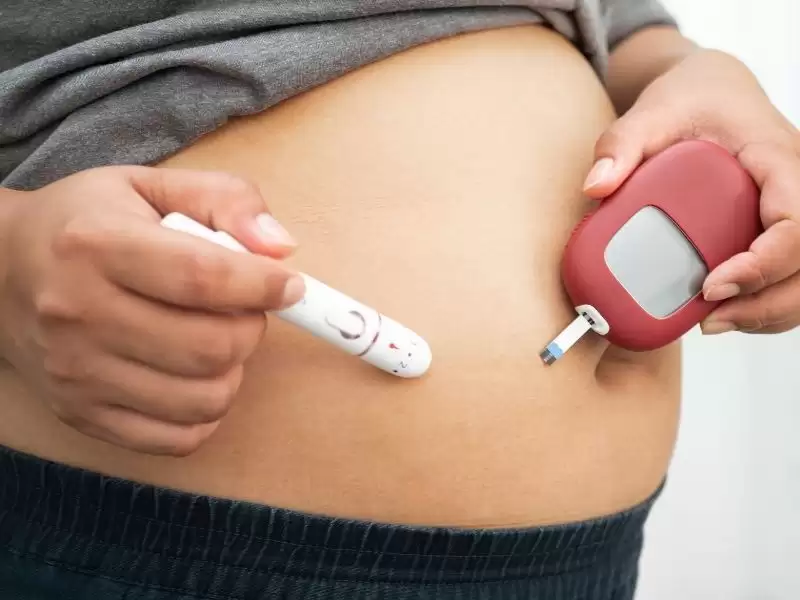
Many mothers who want to lose weight after childbirth are curious about weight loss injections, which have become increasingly common in recent years. However, breastfeeding is a special period during which the nutrition of both the mother and the baby is directly affected. Therefore, greater caution is necessary when considering medications used for weight loss.
So, can breastfeeding mothers use weight loss injections? What does the current scientific evidence suggest?
Do These Medications Pass Into Breast Milk?
Some studies conducted in recent years have shown that these medications pass into breast milk in very small amounts or are often undetectable.
Although these initial findings appear promising, the studies have involved very few participants, and there is insufficient information about long-term outcomes. The evidence currently available is not sufficient to conclude that these medications are completely safe during breastfeeding.
Could They Harm the Baby?
No serious adverse effects have been reported in breastfed infants in the studies conducted so far. However, in most of these studies, the infants were several months old or older.

There is still a lack of information regarding the following:
- Potential effects on newborn babies
- Safety in premature infants
- Consequences of long-term use
- Potential effects on development
Because scientific evidence remains limited, it is currently not possible to conclude that there are no risks.
The Main Question: Is It About Transfer Into Breast Milk or the Mother's Nutrition?
This is one of the important points emphasized by experts.
These medications support weight loss by reducing appetite. However, during breastfeeding, a mother's energy, protein, vitamin, and mineral requirements are higher than usual.
A significant reduction in appetite may lead to:
- Insufficient calorie intake,
- Protein deficiencies,
- Vitamin and mineral deficiencies,
- Rapid weight loss
These effects may occur.
This situation may lead to problems caused not directly by the medication itself but indirectly by inadequate maternal nutrition.

Could Breast Milk Supply Be Affected?
Although there is no definitive scientific evidence on this subject, experts emphasize the need for caution.
Excessive calorie restriction or rapid weight loss during breastfeeding may reduce milk production in some mothers. In addition, depletion of the mother's nutrient stores may also affect the nutritional composition of breast milk.
Current studies have not conclusively clarified this issue. Therefore, maintaining a balanced diet and adopting a gradual weight loss approach is considered safer than aiming for rapid weight loss during breastfeeding.
Why Are Experts Cautious?
Because the number of studies currently available is small, and the number of participants in these studies is limited.
For a treatment to be considered safe during breastfeeding, scientific research must evaluate not only whether the medication passes into breast milk but also the long-term developmental outcomes of infants. However, sufficient data on these outcomes are not yet available.
For this reason, many experts consider it more appropriate to postpone medications used for weight loss during breastfeeding unless there is a medical necessity.
Current research indicates that some injectable medications used for weight loss pass into breast milk in very small amounts. However, this does not mean that they are completely safe during breastfeeding.
Long-term infant outcomes, effects on milk production, and potential consequences for maternal nutritional status are still being investigated. Therefore, rather than starting these medications for weight loss while breastfeeding continues, prioritizing the nutritional needs of both mother and baby is considered a more cautious approach.
If medication use during breastfeeding is being considered, the decision should always be made together with a physician, taking into account the health of both mother and baby.
References
- Diab H, Fuquay T, Datta P, et al. Subcutaneous Semaglutide during Breastfeeding: Infant Safety Regarding Drug Transfer into Human Milk. Nutrients. 2024;16(17):2886.
- Diab H, Thompson J, Datta P, et al. Tirzepatide in Human Milk During Periods of Maternal Dosing. 2025.
- Zipursky JS, Bogler T, Maxwell C. Glucagon-like peptide-1 receptor agonists during pregnancy and lactation. CMAJ. 2024;196:E1413.
⚠️ This content is for informational purposes only. Please consult your physician for diagnosis and treatment.