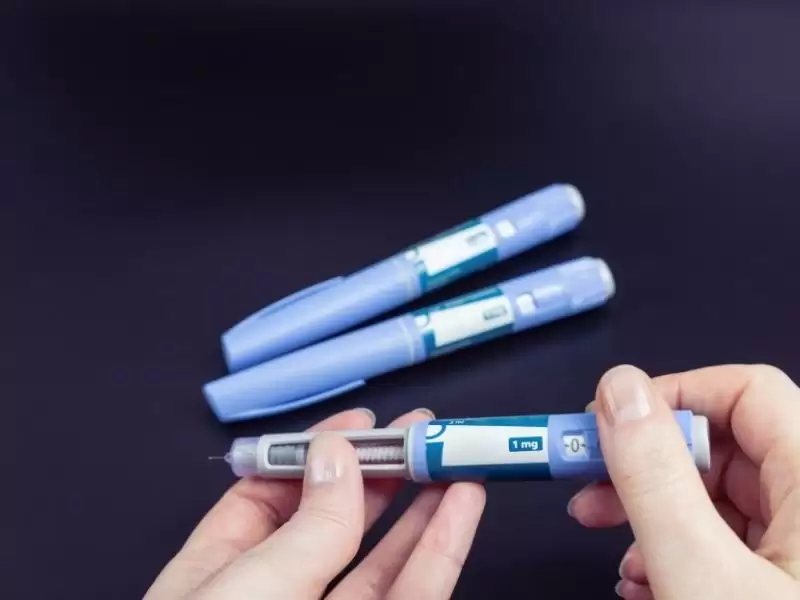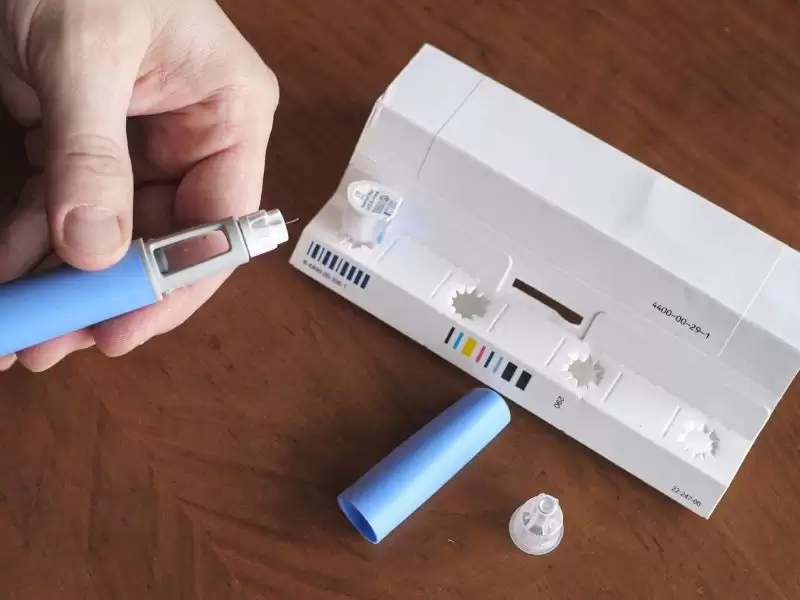
In recent years, weight loss injections (GLP-1 receptor agonists), which have gained considerable attention in the treatment of obesity and type 2 diabetes, have been used by millions of people worldwide almost as a miracle solution due to the effective weight loss they provide. Although their effectiveness in weight management has been clinically demonstrated, scientific research into the long-term systemic effects of these medications is continuing at full speed.
A brand-new, large-scale study presented at the 2026 American Academy of Orthopaedic Surgeons (AAOS) Annual Meeting revealed extremely important
findings by examining the other side of the coin. While the study showed that this group of medications was associated with some encouraging outcomes after orthopedic surgery, it also highlighted a potentially significant increase in the long-term risk of serious bone and joint conditions such as osteoporosis, gout, and osteomalacia.

The Positive Side: Beneficial Effects on Postoperative Recovery
Researchers from Michigan State University College of Human Medicine point out that 5-year and even 10-year follow-up data are now becoming available for patients using weight loss injections .
In the first phase of the study, researchers examined data from patients with obesity who underwent major orthopedic procedures between 2010 and 2023, including hip and knee replacement, anterior cruciate ligament repair, spinal fusion, and fracture surgery. The findings showed that GLP-1 treatment was associated with improvements in certain aspects of postoperative recovery:
Lower Infection Rates: The risk of developing surgical site infections, particularly after knee and hip replacement surgery, was significantly lower in patients using these medications.
Fewer Emergency Department Visits: Patients receiving these medications were less likely to visit the emergency department during the critical postoperative period.
Reduced Need for Revision Surgery: Among patients who underwent knee replacement surgery, the rate of requiring a second corrective operation (revision surgery) later on
decreased significantly. However, an increase in the revision rate was observed following carpal tunnel surgery, which is performed to relieve nerve compression in the wrist.
The Other Side: Bone Health Risks Over 5 Years of Follow-Up
In the second and most widely discussed part of the study, approximately 73,500 GLP-1 users with type 2 diabetes and obesity (BMI of 30 𝑘𝑔/𝑚2 or higher) were compared with a control group with similar characteristics, matched for parameters such as age, sex, smoking status, and HbA1c,
over a period of five years. According to the statistically significant findings, the following increases in long-term risks were identified:
29% Increased Risk of Osteoporosis (Bone Loss): The incidence of osteoporosis was 4.1% among medication users, compared with 3.2% in the control group.
12% Increased Risk of Gout: A relative increase in the risk of gout, a painful inflammatory joint condition caused by the accumulation of uric acid crystals, was identified.
2.5-Fold Increased Risk of Osteomalacia (Bone Softening): One of the most striking findings of the study emerged in this area. The incidence of osteomalacia, a condition in which bones soften due to inadequate mineralization, was 2% among patients using GLP-1 medications, while
the rate in the control group remained at only 0.1%.

Clinical Approach: What Should We Do? Panic or Prevention?
These findings certainly do not mean that treatment should be discontinued or that patients should stop taking their medications. GLP-1 receptor agonists remain among the most powerful treatment options available today for cardiometabolic health, blood glucose regulation, and weight management.
The primary goal is to implement comprehensive preventive strategies that help preserve muscle and bone mass while body fat is being lost during rapid weight reduction.
Precautions Through Collaboration Between Physicians and Dietitians
Bone Density and Micronutrient Monitoring: Regular bone mineral density (DEXA) measurements should be performed, particularly in patients at risk, such as those with a history of osteoporosis or gout and women undergoing menopause. Vitamin D and calcium levels should also be closely monitored.
Macronutrient Optimization: During this period of significantly suppressed appetite, inadequate nutrition should be prevented, and sufficient daily intake of high-quality protein should be carefully planned according to the patient's body weight to support the bone matrix.
Appropriate Exercise Prescription: Mechanical loading is one of the most effective ways to improve bone mineralization and muscle strength. Resistance training (weight training) and strengthening exercises suited to the patient's clinical condition should be incorporated into their lifestyle.
In summary, while achieving a lower and healthier body weight with weight loss injections, we should not neglect preserving the strength of the skeletal system. Treatment monitoring, potential dose adjustments, and supplementation plans should always be managed through collaboration with a multidisciplinary clinical team.
References
Wajahath M, et al. GLP Receptor Agonist Use is Associated with Increased Risk of Osteoporosis, Gout and Osteomalacia in Adults with Type 2 Diabetes and Obesity. Poster presentation. American Academy of Orthopaedic Surgeons (AAOS) Annual Meeting; 2026.
Haque H, et al. Rising Use of GLP-1 Agonists Across Common Orthopaedic Procedures and Their Association with Improved Postoperative Outcomes. Poster presentation. American Academy of Orthopaedic Surgeons (AAOS) Annual Meeting; 2026.
Bariatric News. GLP-1 receptor agonist may increase long-term risks of osteoporosis. March 10, 2026.