
Obesity treatment is not a temporary process focused solely on weight loss; it is a comprehensive treatment plan that addresses metabolic health, quality of life, risks associated with comorbidities, and long-term weight control together. Obesity treatment may include personalized planning of nutrition, exercise, behavioral changes, medical follow-up, endoscopic methods, and surgical options when necessary. Obesity is a chronic condition that develops as a result of excessive accumulation of body fat and may negatively affect overall health. Therefore, the goal of treatment is not only to reduce the number on the scale but also to help control risks such as insulin resistance, type 2 diabetes, hypertension, sleep apnea, fatty liver disease, reflux, joint pain, and cardiovascular diseases.
In the obesity treatment approach planned by Assoc. Prof. Dr. Ozan Şen, the treatment decision is evaluated according to the patient's weight, height, metabolic condition, previous weight-loss experiences, accompanying diseases, and lifestyle. Therefore, the same method is not suitable for every patient.
- What Is Obesity And Why Should It Be Treated?
- How Is The Initial Evaluation Performed In Obesity Treatment?
- Why May Obesity Not Be Resolved With Diet Alone?
- Non-Surgical Obesity Treatment Options
- Gastric Balloon
- Gastric Botox
- Who Is Suitable For Bariatric Surgery?
- Sleeve Gastrectomy
- Gastric Bypass And Metabolic Surgery
- Diabetes Surgery
- Laparoscopic And Robotic Surgical Approaches
- How Are Obesity Treatment Methods Compared?
- Preparation Process Before Bariatric Surgery
- Postoperative Follow-Up
- Obesity Treatment In Istanbul
- Frequently Asked Questions About Obesity Treatment
What Is Obesity And Why Should It Be Treated?
Obesity is more than an aesthetic concern related to excess weight; it is a serious health problem that can affect many organ systems. Over time, excess weight may place additional strain on the pancreas, liver, heart, vascular system, respiratory system, and joints.
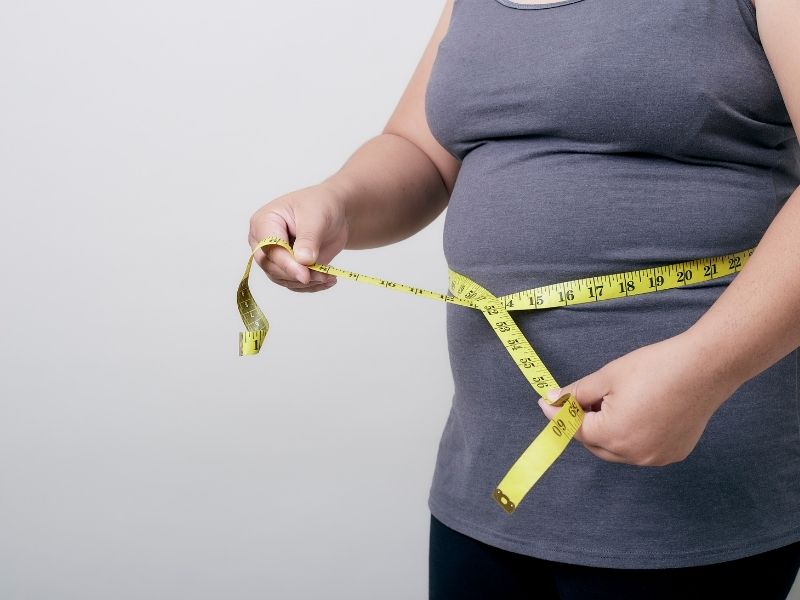
When left untreated, obesity may be associated with the following health problems:
- Type 2 diabetes and insulin resistance
- Hypertension and cardiovascular diseases
- Sleep apnea and snoring
- Fatty liver disease
- Reflux and digestive system problems
- Knee, hip, and lower back pain
- Fertility problems
- Reduced ability to perform daily activities
Therefore, obesity treatment aims not only for weight loss but also for metabolic improvement and sustainable lifestyle changes.
Obesity symptoms click to view the content.
How Is The Initial Evaluation Performed In Obesity Treatment?
The first step in obesity treatment is a detailed medical evaluation. During this assessment, the patient's weight history, previous diets, medications, family predisposition, eating habits, and level of physical activity are reviewed.
When planning treatment, body mass index, waist circumference, fat distribution, blood glucose, insulin resistance, cholesterol levels, liver function, and hormonal status are evaluated together. Looking only at BMI is not always sufficient because two people with the same BMI may have completely different metabolic risks.
Treatment selection should be made more carefully, particularly in patients with type 2 diabetes, hypertension, sleep apnea, polycystic ovary syndrome, reflux, or fatty liver disease.
Why May Obesity Not Be Resolved With Diet Alone?
Many patients may regain weight despite repeatedly following diets. This is often not due to a lack of willpower but rather metabolic adaptation, hormonal imbalances, appetite mechanisms, genetic predisposition, and unsustainable programs.
Short-term, highly restrictive diets may initially lead to rapid weight loss. However, in the long term, muscle loss, a slower metabolism, disrupted eating patterns, and weight regain may occur. Therefore, lasting success in obesity treatment requires a personalized, manageable, and sustainable plan.
Non-Surgical Obesity Treatment Options
Non-surgical methods may be preferred particularly in patients with mild to moderate excess weight or those who are not yet suitable for surgery. The goal is to help the patient lose weight while reducing metabolic risks and developing healthier habits.
A non-surgical treatment plan may include:
- Personalized nutritional planning
- Gradual increase in physical activity
- Behavioral change and mindful eating
- Monitoring blood glucose, cholesterol, and liver values
- Evaluation of medication treatment when necessary
- Regulation of sleep, stress, and daily routines
The aim of this process is not rapid and temporary weight loss, but achieving healthy weight loss.
Gastric Balloon
Gastric balloon is one of the obesity treatment options that does not require surgery and is applied endoscopically. In this method, a specially designed balloon is placed inside the stomach, where it occupies a certain amount of space and may help the patient feel full earlier. It may generally be considered for patients who have not achieved sufficient weight loss with diet and exercise but are not suitable for obesity surgery or do not wish to undergo surgery. In some patients, it may also be considered before bariatric surgery to support weight loss and reduce surgical risks. A gastric balloon should not be regarded as a method that provides permanent weight loss on its own; it should be supported by changes in eating habits, portion control, increased physical activity, and regular follow-up. After the balloon is removed, adapting to a new lifestyle is important for maintaining the weight that has been lost. Therefore, the decision to use a gastric balloon should be made by evaluating the patient's weight, body mass index, stomach anatomy, health status, and treatment expectations together.
Gastric Botox
Gastric Botox is an endoscopic procedure that aims to support a longer-lasting feeling of fullness by affecting the activity of the stomach muscles and gastric emptying time. It may generally be considered in patients whose body mass index is not within the surgical range but whose quality of life is affected by excess weight and who are seeking support for dietary changes. This method is not suitable for every patient with excess weight; the patient's stomach anatomy, metabolic condition, eating habits, previous weight-loss experiences, and expectations should be evaluated in detail. Gastric Botox should not be considered a rapid or guaranteed weight-loss method. The success of the procedure is directly related to the patient's adherence to a healthy nutrition plan, continued calorie control, and increased activity after the procedure. In particular, if frequent snacking, irregular meals, or consumption of high-calorie foods continues, the expected weight loss may remain limited. Therefore, gastric Botox should be regarded as a supportive option that may facilitate lifestyle changes in appropriately selected patients.
Who Is Suitable For Bariatric Surgery?
Bariatric surgery is one of the advanced treatment options considered for patients who have not achieved sufficient and sustainable weight loss through methods such as diet, exercise, behavioral changes, and medical follow-up. This surgical approach is not simply a procedure aimed at reducing excess weight; it is a comprehensive treatment process that may help control metabolic and physical health problems associated with obesity. When evaluating suitability for surgery, the patient's body mass index, accompanying diseases, previous weight-loss methods, general health condition, anesthesia risk, psychological preparedness, and ability to comply with postoperative follow-up are considered together. If conditions such as type 2 diabetes, hypertension, sleep apnea, fatty liver disease, joint problems, or insulin resistance are present, the surgical decision should be planned in greater detail. Bariatric surgery is not suitable for everyone and the decision is not made based solely on excess weight. Appropriate patient selection, the correct surgical method, preoperative preparation, and regular postoperative follow-up are essential for successful outcomes.
Sleeve Gastrectomy
Sleeve gastrectomy is one of the most commonly performed surgical procedures in obesity treatment and is based on reducing the volume of the stomach. During this procedure, a large portion of the stomach is removed, leaving a narrower, tube-shaped stomach. This may allow patients to feel full with smaller amounts of food and reduce daily calorie intake. Sleeve gastrectomy does not only work by mechanically reducing stomach size; it may also affect appetite hormones, satiety, and eating behavior. However, successful outcomes do not depend solely on performing the surgical procedure correctly. During the postoperative period, patients should pay attention to fluid intake, protein consumption, vitamin and mineral monitoring, meal patterns, and physical activity. During the first few weeks, nutrition generally progresses gradually from liquids to pureed and then soft foods. In the long term, regular medical follow-up, monitoring of blood values, and making new eating habits permanent directly affect the success of treatment.

Gastric Bypass And Metabolic Surgery
Gastric bypass and metabolic surgery are surgical options considered in obesity treatment not only for weight loss but also for the management of metabolic diseases. During gastric bypass surgery, the stomach volume is reduced and the intestinal pathway is altered, affecting both food intake and nutrient absorption. This method may be considered in some patients, particularly in the presence of reflux, severe insulin resistance, type 2 diabetes, or high metabolic risk. Metabolic surgery refers to surgical approaches aimed at supporting blood glucose control in patients with both type 2 diabetes and obesity. When deciding which method is appropriate, the duration of diabetes, insulin use, pancreatic reserve, body mass index, presence of reflux, eating habits, and overall health status are evaluated together. The same surgical method may not be suitable for every patient. Therefore, the decision regarding gastric bypass or metabolic surgery should be made individually following detailed examinations and specialist evaluation.
Diabetes Surgery
Diabetes surgery is one of the surgical approaches considered to support metabolic control, particularly in patients with both type 2 diabetes and obesity. The goal of this treatment option is not only to achieve weight loss but also to help improve blood glucose balance, reduce insulin resistance, and control metabolic risks associated with obesity. However, diabetes surgery is not suitable for every patient with diabetes. The patient's type of diabetes, duration of the disease, insulin use, pancreatic insulin-producing capacity, body mass index, fatty liver disease, hypertension, and other accompanying conditions should be evaluated together. In patients with type 1 diabetes, this surgical approach is evaluated differently and is generally considered primarily in the context of type 2 diabetes. Because diabetes associated with obesity may also affect cardiovascular health, kidney function, and quality of life, treatment planning should be carried out from a comprehensive perspective. Appropriate patient selection, postoperative follow-up, and lifestyle changes are important factors in determining success.
Laparoscopic And Robotic Surgical Approaches
Today, many bariatric procedures can be performed using minimally invasive techniques rather than open surgery. Laparoscopic surgery is performed through small incisions using a camera and specialized surgical instruments without making a large abdominal incision. In suitable patients, this approach may provide advantages such as smaller scars, reduced tissue trauma, a more comfortable recovery period, and an earlier return to daily activities. Robotic surgery is an advanced technology that allows the surgeon to achieve greater precision and control of movement through a robotic system.
In certain patients where detailed evaluation of the anatomy is required, robotic surgery may provide advantages in terms of surgical visualization and movement control. However, robotic surgery is not mandatory or necessarily the most appropriate option for every patient. The preferred method is determined according to the patient's weight, intra-abdominal anatomy, previous surgeries, accompanying diseases, surgical goals, and the physician's evaluation. The aim of laparoscopic and robotic approaches is to provide a safe, effective, and personalized surgical process.
How Are Obesity Treatment Methods Compared?
Treatment Group | Who May Be Considered? | Key Points In The Process |
|---|---|---|
Non-Surgical Methods | Patients with mild to moderate excess weight who are suitable for lifestyle changes | Nutrition, exercise, behavioral changes, and medical follow-up are required |
Endoscopic Methods | Suitable patients who do not want surgery or who require preparation before surgery | Options such as gastric balloon and gastric Botox are evaluated individually |
Surgical Methods | Patients with a high BMI, accompanying diseases, or inability to achieve sustainable weight loss | Sleeve gastrectomy, gastric bypass, and metabolic surgery may be considered |
Preparation Process Before Bariatric Surgery
Before bariatric surgery, the patient should undergo detailed preparation. This preparation affects not only the day of surgery but also the postoperative period.

The following evaluations are generally performed before surgery:
- Blood tests and metabolic evaluations
- Endoscopic evaluation
- Cardiovascular and respiratory system assessments
- Evaluation of eating habits
- Assessment of suitability for anesthesia
- Psychological preparation when necessary
- Explanation of postoperative nutrition
This preparation is important for surgical safety and long-term success.
Postoperative Follow-Up
In obesity treatment, the postoperative period is as important as the surgery itself. Postoperative follow-up is necessary to ensure healthy progression of weight loss, prevent vitamin and mineral deficiencies, reduce muscle loss, and establish new eating habits.
During the early period, transitions to liquids, pureed foods, and soft foods should be made according to the recommendations of the physician and nutrition specialist. In the long term, protein intake, water consumption, exercise, blood values, and weight changes should be monitored regularly.
Patients who comply with the follow-up process may experience more controlled weight loss and may have a better chance of maintaining the weight they have lost.
Obesity Treatment In Istanbul
The primary need of patients searching for obesity treatment in Istanbul is to access reliable information and determine which method may be appropriate for them. However, there is no single correct treatment method for obesity.
Of two patients with the same weight, one may benefit from non-surgical treatment while surgical options may be more suitable for the other. This difference is determined not only by weight but also by metabolic diseases, previous treatment experiences, lifestyle, surgical risk, and adherence to long-term follow-up.
Therefore, personalized obesity treatment forms the basis of successful and sustainable outcomes.
Frequently Asked Questions About Obesity Treatment
1. When Should Obesity Treatment Be Started?
Obesity treatment should be considered when weight gain begins to affect daily life, blood test results, breathing capacity, or mobility. Early evaluation may increase the chance of achieving control without the need for surgery.
2. Can Weight Be Regained After Sleeve Gastrectomy?
Weight regain may occur after sleeve gastrectomy if the patient does not follow the recommended nutrition plan, exercise routine, and follow-up schedule. Therefore, surgery should be supported by long-term lifestyle changes.
3. Does a Gastric Balloon Provide Permanent Weight Loss?
A gastric balloon may support the weight-loss process, but long-term success depends on changing eating and lifestyle habits. Follow-up should continue after the balloon is removed.
4. Is Gastric Botox Suitable for Everyone?
Gastric Botox is not suitable for every patient. BMI, stomach anatomy, treatment expectations, and overall health status should be evaluated by a physician.
5. At What Age Can Bariatric Surgery Be Performed?
Bariatric surgery is generally considered in adult patients. Age alone is not the only decision criterion; overall health and surgical suitability should be evaluated together.
6. How Quickly Do Patients Lose Weight After Bariatric Surgery?
Weight loss may be faster during the first few months and then continue at a slower pace. The rate of weight loss varies depending on the patient’s starting weight, the procedure performed, and adherence to follow-up.
7. Can Patients With Diabetes Benefit From Obesity Treatment?
In some patients with type 2 diabetes, obesity treatment may help support blood glucose control. Treatment selection should be based on the duration of diabetes, pancreatic reserve, and overall health status.