
Bariatric surgery is one of the most effective and sustainable weight loss methods in the treatment of severe obesity. Through these surgeries, patients can lose a significant amount of weight and achieve noticeable improvement in many conditions such as diabetes and hypertension. However, in some patients, the process may not progress at the expected pace. At this point, weight loss injections may come to the forefront as an option that supports the effect of surgery.
Bariatric Surgery Is a Strong Start, But Sometimes It May Not Be Enough
Bariatric surgery works by reducing stomach volume or changing the digestive system. The most commonly performed methods include:
Gastric bypass
Adjustable gastric band
These methods generally provide rapid and effective weight loss. However, in some cases:
The weight loss process may stop at a certain point
Some weight may be regained over time
Some obesity-related conditions may not fully improve
In such cases, additional solutions may be considered to support the process.
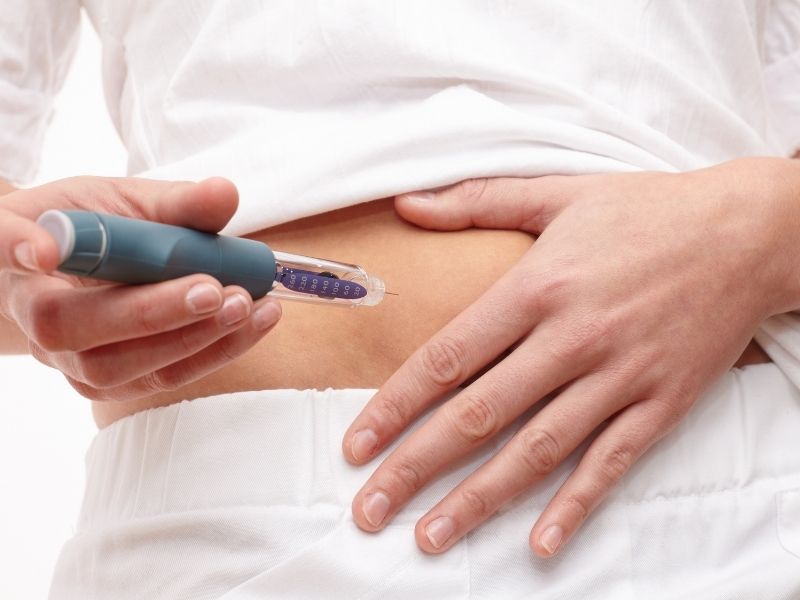
How Do Weight Loss Injections Work?
Weight loss injections generally:
Reduce appetite
Provide a longer-lasting feeling of fullness
Help support blood sugar balance
Thanks to these effects, they may make weight control easier after surgery.
Can Surgery and Weight Loss Injections Be Used Together?
Studies conducted in recent years show that weight loss injections may be beneficial in suitable patients after bariatric surgery:

Additional weight loss may be achieved
The weight loss process may accelerate again
Weight regain may be reduced
This approach may be supportive, especially during periods when weight loss slows down.
Who Is It Suitable For?
Weight loss injections are generally considered in the following cases:
If the weight loss process has stopped for a long time
If weight regain has started
If health problems related to obesity continue
If diet and exercise alone are not sufficient
The treatment decision must always be made under medical supervision.
Benefits It Provides
Supports the effect of surgery
Makes appetite and portion control easier
Contributes to metabolic health
Helps maintain weight in the long term
Things to Consider
As with any treatment, there are points to consider with weight loss injections:
Side effects such as nausea and headache may occur
Regular follow-up is required
They may not be suitable for every patient
For this reason, personalized planning is essential.
For More Successful Results
Do not skip regular doctor check-ups
Maintain healthy eating habits
Get support from a dietitian
Include physical activity in your life
Conclusion
Bariatric surgery is a very strong and effective step in the weight loss journey. Weight loss injections, on the other hand, may help suitable patients achieve more balanced and sustainable results by supporting this process. The most appropriate approach is a treatment planned specifically for the patient and carried out under the supervision of a specialist physician.
References
Obesity Surgery Journal – Treatment studies after bariatric surgery
American Society for Metabolic and Bariatric Surgery (ASMBS)
National Institutes of Health (NIH) – Obesity treatment guidelines
Mechanick JI et al. Bariatric Surgery Clinical Practice Guidelines