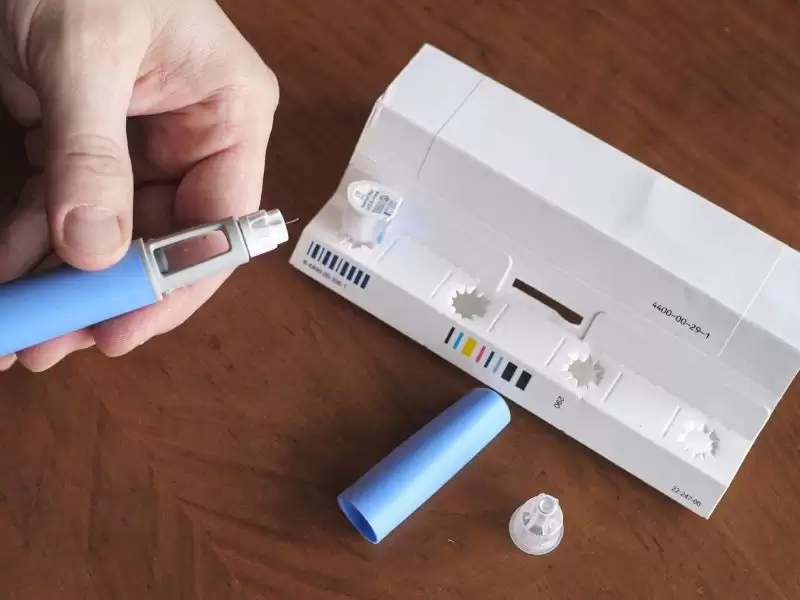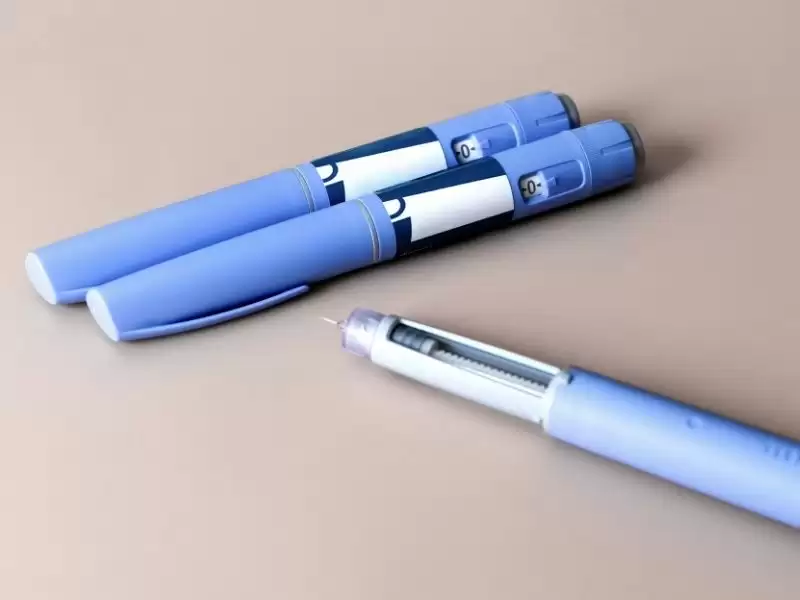
In recent years, GLP-1 receptor agonists (weight loss and diabetes injections), which have become increasingly popular in obesity treatment, have remained a major topic of discussion among medical professionals and patients. This class of medications, known for its remarkable success in weight loss, has recently become one of the areas most closely monitored by regulatory authorities.
The latest announcement from the U.S. Food and Drug Administration (FDA) on November 9, 2026, revealed a critical change to the labeling (package inserts) of these popular medications. The FDA issued an official warning about a serious and rare eye condition that may develop in connection with the use of these drugs, requiring their package inserts to be updated.
So, what is the scientific truth behind the question, "Can weight loss injections cause blindness?" What risks does the FDA warning specifically highlight?
The Focus of the Warnings: What Is NAION?
The condition particularly emphasized in the FDA's updated warning is NAION (Non-Arteritic Anterior Ischemic Optic Neuropathy).
Although this medical term may sound complex, it refers to a condition in which the front portion of the optic nerve does not receive sufficient blood flow or its blood supply is suddenly interrupted.
What are the symptoms? It typically presents as sudden, painless vision loss in one eye or a significant and permanent reduction in visual acuity.
How common is it? Although it is a rare condition in the general population, health authorities take it extremely seriously because it can have permanent consequences for optic nerve health.

Which Medications Are Affected?
This decision was not directed at a single brand but at all weight loss injections (the GLP-1 receptor agonist drug class). Therefore, the package inserts of all popular formulations containing active ingredients such as semaglutide and tirzepatide, which are frequently prescribed for the treatment of obesity and type 2 diabetes, are being revised to include this safety warning.
How Did the Process Develop?
In recent years, the FDA had closely examined increasing case reports, observational studies, and clinical data in the field of neuro-ophthalmology. In particular, potential signals linking the use of these medications to patients' metabolic profiles (such as underlying diabetes, hypertension, or a history of vascular health risk factors) were carefully investigated.
Although these medications have not been directly labeled as a cause of "blindness," the FDA required patients to be clearly informed about the potential risk of this rare condition affecting the blood supply to the optic nerve, in accordance with the principles of precaution and transparency.
What Does This Mean for Healthcare Professionals and Patients?
Such regulatory updates once again highlight how delicate the risk-benefit balance is in clinical practice:
Early Awareness Is Vital: Patients receiving treatment should not dismiss sudden visual changes or vision loss as temporary fatigue and should immediately consult an ophthalmologist.
Personalized Approach: Particularly for patients with a history of NAION in one eye, it is extremely important to carefully evaluate this risk together with their physician when starting or continuing GLP-1 treatments.
Evidence-Based Monitoring: Modern medicine continues to monitor the potential side effects of innovative molecules through long-term data while improving quality of life. This warning is a concrete indication of how actively drug safety monitoring mechanisms operate.
If you would like to learn more about your weight loss and metabolic treatment processes, the latest medical developments, and safe practices, be sure to stay tuned.

Sources and References
1. US Food and Drug Administration (FDA). FDA requires safety labeling changes for glucagon-like peptide-1 receptor agonists (GLP-1 RAs) due to potential risk of non-arteritic anterior ischemic optic neuropathy (NAION). Drug Safety Communication, November 9, 2026.
2. Hathaway, J. T., et al. (2024). Risk of Nonarteritic Anterior Ischemic Optic Neuropathy in Patients Prescribed Semaglutide. JAMA Ophthalmology, 142(8):744–749.
3. European Medicines Agency (EMA). PRAC concludes eye condition NAION is a very rare side effect of semaglutide medicines. News Release, June 6, 2025.