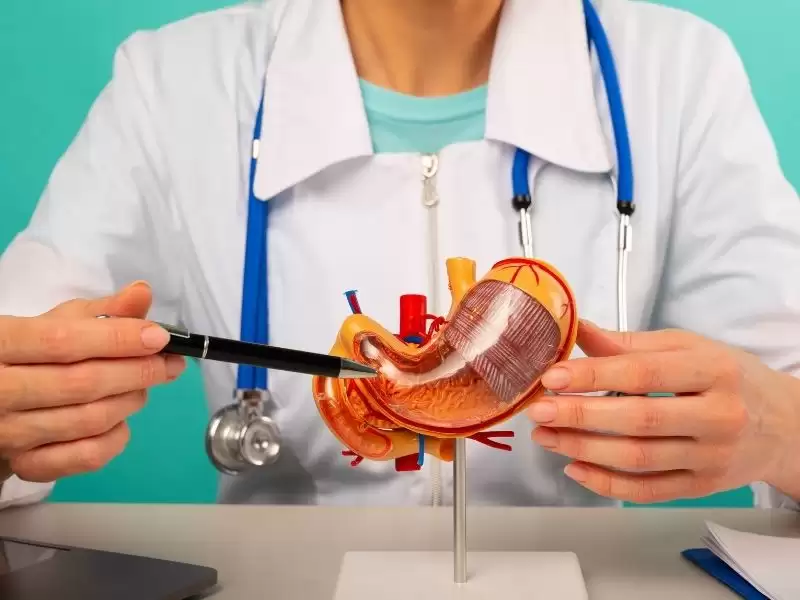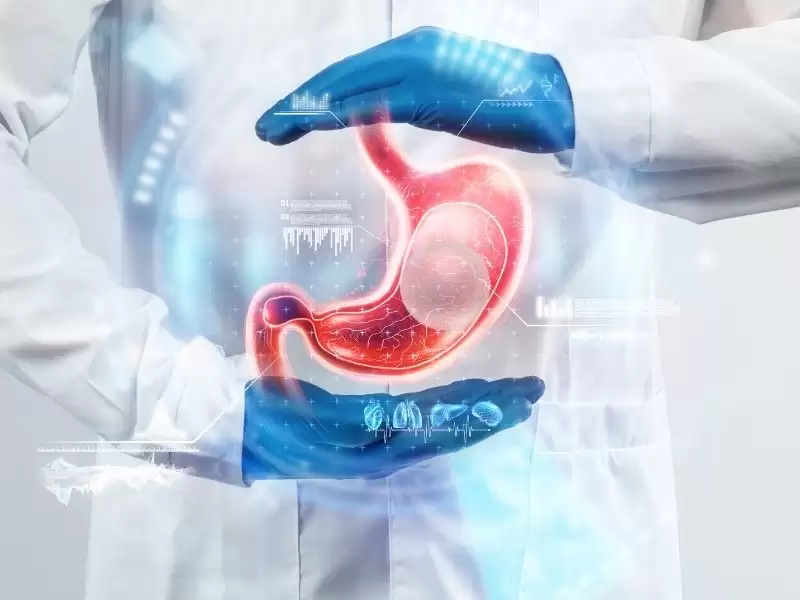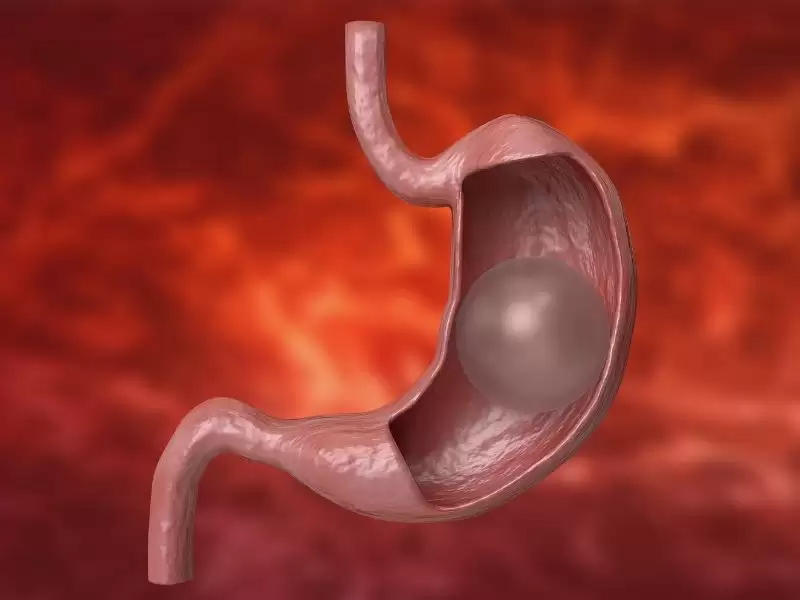
Gastric balloon is a temporary and effective medical solution developed for individuals who want to lose weight but avoid surgical procedures. This balloon is usually placed into the stomach via endoscopy and inflated with liquid or air to partially fill the stomach volume. In this way, it helps the person feel full with less food and prolongs the feeling of satiety.
This method is preferred especially in individuals with a body mass index (BMI) above 27 who cannot lose enough weight with diet and exercise. Although it is not a permanent solution, it is a supportive step in the transition to lifestyle changes.
Main Functions of the Gastric Balloon
- Creates a Feeling of Fullness: Helps the stomach feel full, so the person eats less.
- Reduces the Urge to Eat: It may affect appetite along with hormonal changes.
- Changes Eating Habits: Getting used to smaller portions becomes easier.
- Provides Motivation: Thanks to quick initial results, the person gains motivation.
Gastric balloons typically remain in the stomach for 6 to 12 months. The duration may vary depending on the type of balloon used. With adjustable models, this period can be extended.
What Are the Types of Gastric Balloons?
Gastric balloon treatment has diversified over time because each individual’s physical structure, lifestyle, and weight-loss goals are different. Since not everyone has the same needs, some people want a short-term solution with minimal intervention, while others prefer longer-term and adjustable options.
Types of gastric balloons are classified according to criteria such as the filling material (liquid, air), the application method (endoscopic, swallowable), and the duration of use (6 months, 12 months, adjustable). Each balloon type has different advantages, disadvantages, and areas of use.
Balloons filled with liquid or air, fixed-volume or variable-volume balloons, balloons that deflate on their own or balloons that do not deflate on their own and must be removed, are available in different forms such as a 6-month gastric balloon or a 12-month gastric balloon. By determining what the patient needs, the weight-loss process is started with the most suitable balloon type.
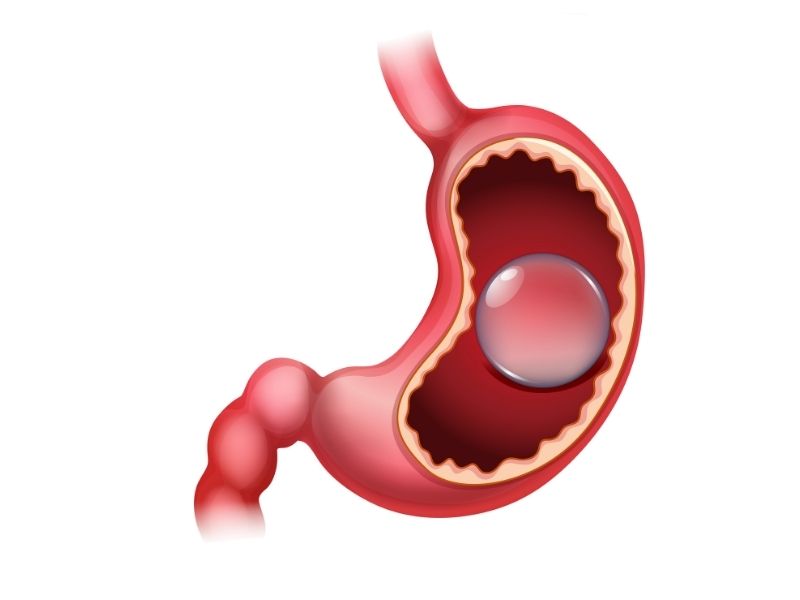
Liquid-Filled Gastric Balloon
These types of gastric balloons are among the first developed and the most commonly used models. After being placed into the stomach via an endoscopic procedure, they are inflated with sterile liquid (usually saline mixed with methylene blue). Since the balloon contains liquid, it is heavier, which may create a stronger feeling of fullness by exerting more pressure on the stomach wall.
Advantages:
- The feeling of fullness is more pronounced.
- If the balloon leaks, it can be easily noticed by blue-colored urine.
- It can be used for up to 6–12 months.
It is a suitable method for individuals who need to lose weight but are hesitant about surgery and for those with moderate obesity. Nausea and cramping may be more intense in the first days. Sedation may be required for placement and removal.
Air-Filled Gastric Balloon
These balloons are another option that are inflated with air and are much lighter than liquid-filled balloons. Thanks to their lightness, stomach discomfort experienced in the first days is less. They are placed endoscopically. They are more comfortable and have fewer side effects. Mobility is not restricted. A quick return to social life is possible.
It is suitable for individuals with a lower BMI and for those who want a more comfortable transition process. Its effectiveness is slightly lower than liquid-filled balloons. Since it fills the stomach less, the feeling of fullness may last for a shorter time.
Adjustable Gastric Balloon (Spatz, etc.)
Adjustable gastric balloons work with a special system that allows the balloon volume to be increased or decreased over time. They can generally remain in the stomach for up to 12 months. If weight loss stalls during the process, the balloon volume can be increased again to strengthen the feeling of fullness. It is an effective weight-loss method for those who want long-term weight control and aim for gradual and sustainable weight loss.
Advantages:
- Long-term use (12 months)
- Flexible planning and personalization
- Greater potential for weight loss
It requires endoscopic placement and adjustments. Physician follow-up should be done frequently.
Swallowable Gastric Balloon (Elipse, etc.)
These innovative gastric balloons are swallowed orally in capsule form and, after reaching the stomach, are inflated with the help of a special catheter. There is no need for endoscopy, anesthesia, or hospital stay. After approximately 4 months, it deflates on its own and is expelled naturally from the body. It is beneficial for individuals who fear procedures and have limited time and want fast results.
Advantages:
- Does not require endoscopy or sedation
- Fast, painless, and minimally invasive procedure
- Quick return to daily life
It has a usage period of only 4 months. It may not be suitable for everyone; swallowing reflex and stomach anatomy are important.