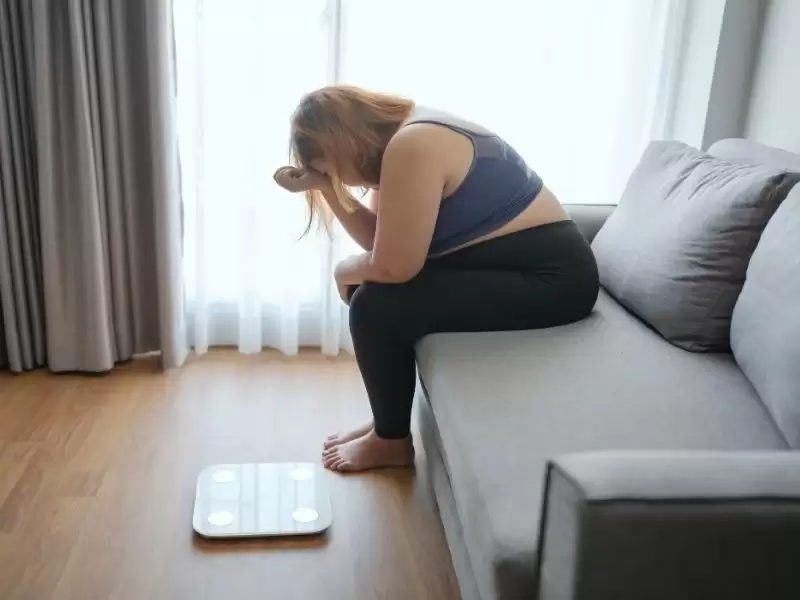
Hypoglycemia and Dumping After Obesity Surgery
Hypoglycemia, or low blood sugar, is a rare condition in people without diabetes. It may occur after obesity surgery (especially after gastric bypass) because food passes from the stomach to the intestines more quickly. This condition can also occur—though rarely—after sleeve gastrectomy. Following post-operative dietary guidelines can help prevent hypoglycemia.
Why Does Hypoglycemia Occur After Sleeve Gastrectomy?
After obesity surgery, hypoglycemia is often caused by dumping syndrome. This condition occurs especially when certain foods pass from the stomach into the small intestine too quickly. According to the U.S. National Institute of Diabetes and Digestive and Kidney Diseases (NIH), this syndrome can be seen in about 10% of people who have had stomach surgery.
Dumping syndrome may cause hypoglycemia because when food moves too quickly from your stomach into the intestines, the digestive system releases hormones at higher-than-normal levels.
The pancreas responds to these high hormone levels by producing more insulin than needed. Too much insulin can lead to low blood sugar about 1 to 3 hours after eating.
What Are the Symptoms of Hypoglycemia?
Common symptoms of low blood sugar include:
- Hunger
- Headache
- Dizziness
- Fatigue
- Blurred vision
- Sweating
- Trembling
- Pale appearance
- Difficulty concentrating
- Difficulty remembering
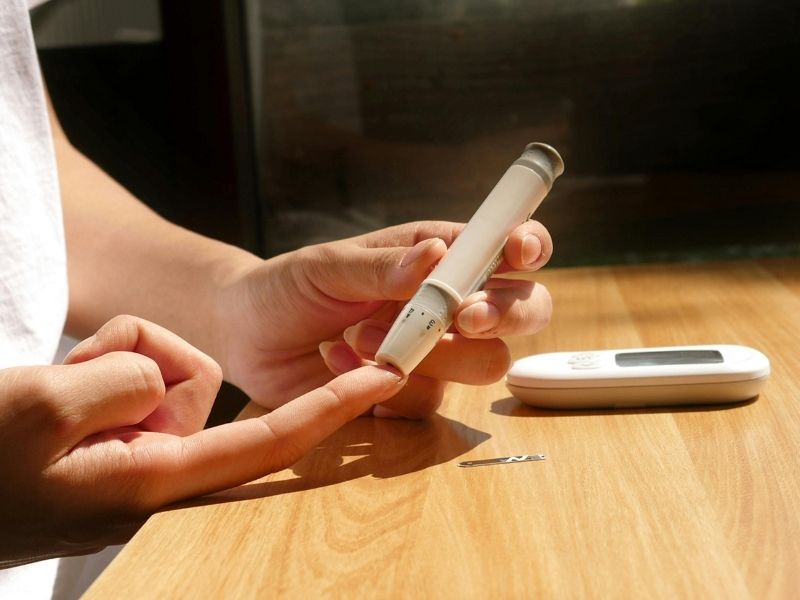
The Relationship Between Foods High in Sugar and Fat and Hypoglycemia
After sleeve gastrectomy, it is important to avoid sugar—especially simple carbohydrates—because these foods can lead to dumping syndrome. When sugary foods pass quickly into the intestines, they can cause abdominal cramps, nausea, diarrhea, dizziness, and fatigue in addition to hypoglycemia.
In addition to avoiding sugar after sleeve gastrectomy, it is recommended to avoid high-fat foods and to drink water between meals. After surgery, you may choose reduced-fat foods and beverages. For example, low-fat milk and dairy products.
Studies have shown that low-carbohydrate, high-protein meals are less likely to cause hypoglycemia after bariatric surgeries. Meals should ideally be consumed every 3–4 hours and should not contain alcohol or caffeine. It is also important to take the vitamin and mineral supplements that your doctor may recommend.
References
Suhl, E., Anderson-Haynes, S. E., Mulla, C., & Patti, M. E. (2017). Medical nutrition therapy for post-bariatric hypoglycemia: practical insights. Surgery for Obesity and Related Diseases, 13(5), 888-896.
de Oca, A. P. M., Pellitero, S., & Puig-Domingo, M. (2021). Hypoglycemia after bariatric surgery: importance of exhaustive hormonal study. Endocrinology, Diabetes & Metabolism Case Reports, 2021(1).
National Institute of Diabetes and Digestive and Kidney Diseases (2019, January). Definition & Facts for Dumping Syndrome. https://www.niddk.nih.gov/health-information/digestive-diseases/dumping-syndrome/definition-facts
National Institute of Diabetes and Digestive and Kidney Diseases (2019, January). Symptoms & Causes of Dumping Syndrome. https://www.niddk.nih.gov/health-information/digestive-diseases/dumping-syndrome/symptoms-causes