
A new study found that weight regain in adolescents after bariatric surgery may be higher when blood PFAS levels are elevated. What is PFAS, why is it dangerous, and how can we protect ourselves?
What Is PFAS and How Does It Affect Our Health?
PFAS (Per- and Polyfluoroalkyl Substances) are synthetic chemicals found in cookware, food packaging, water-resistant clothing, and even some cosmetics, and they are known for barely breaking down in nature or in the human body.
- They are known as “forever chemicals.”
- They may disrupt hormonal balance, slow metabolism, and increase fat storage.
Because of these characteristics, PFAS exposure is considered an important risk factor for obesity and metabolic disorders.
Key Findings From the Study
In a large-scale study conducted in the United States, more than 200 adolescents were followed for 5 years before and after weight-loss surgery (bariatric surgery).
- Adolescents with higher levels of PFAS types such as PFOS, PFHxS, and PFHpS regained more weight than those with lower levels.
- Those with high PFOS levels gained an average of 21 kg within 5 years, while those with low levels gained 16 kg.
- A similar pattern of greater increase was also observed in waist circumference.
PFAS and Weight Control After Bariatric Surgery
Maintaining weight after weight-loss surgery is critical for preventing obesity-related diseases such as type 2 diabetes.
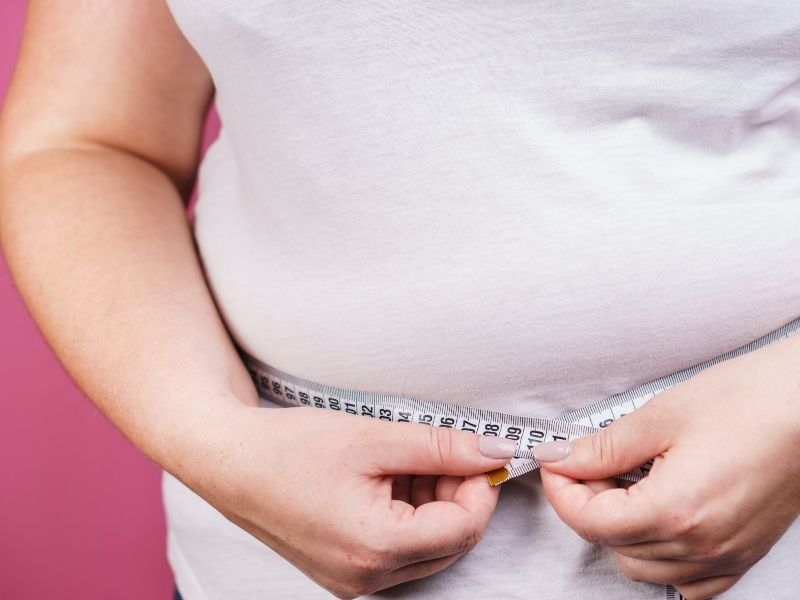
This study suggests that PFAS exposure may make weight control more difficult. It is thought that PFAS may accelerate weight regain by affecting metabolism.
Tips to Reduce PFAS Exposure
Although it may be difficult to eliminate PFAS completely from our lives, it is possible to reduce exposure:
- Choose stainless steel or cast-iron pans instead of Teflon pans.
- Avoid microwave popcorn bags and grease-resistant fast-food packaging. • Stay away from waterproof fabrics and stain-resistant carpets.
- Find out whether your drinking water contains PFAS; use a filter if needed.
Conclusion: More Awareness to Protect Health
Weight regain after bariatric surgery is not only related to diet and exercise; the invisible chemical burden in our bodies can also play an important role. Reducing PFAS exposure may support long-term health success in adolescents after surgery.
References: Baumert BO, Costello E, Li Z, et al. PFAS Exposure and Postoperative Weight Regain in Adolescents After Bariatric Surgery: Findings From the Teen-LABS Study. Obesity (Silver Spring). 2025 Aug 14. doi:10.1002/oby.70009. PMID: 40808486.