
Obesity is more complex than just overeating or lack of exercise and is directly related to hormonal balance. Hormones in the body play a critical role in weight control by regulating appetite, fat storage and metabolism. Disruption of hormonal balance can increase appetite or promote fat storage. This makes it harder to lose weight. In particular, hormones such as leptin, ghrelin, insulin and cortisol have important effects on the obesity process, and imbalances in these hormones can prevent individuals from aiming for a healthy weight. Therefore, maintaining hormonal balance is of great importance in the fight against obesity.
The main hormones associated with obesity are:
1. Leptin - Satiety Hormone:
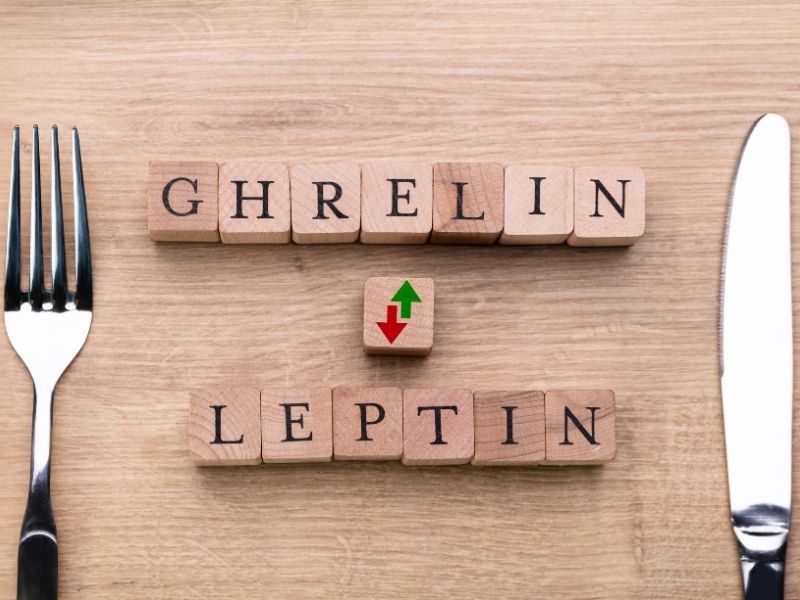
Produced by adipose tissue, leptin allows the brain to recognize that you are full after eating. In individuals who are overweight, leptin resistance develops, which means that the brain fails to receive the satiety signal, which can lead to a constant feeling of hunger. Also, elevated leptin levels can increase inflammation in the body, which makes weight management even more difficult.
2. Ghrelin - The Hunger Hormone:
Known as the hunger hormone, ghrelin increases appetite and encourages the body to eat. Obese individuals often have high levels of ghrelin, which makes appetite control difficult. Interestingly, stomach reduction surgeries such as gastric sleeve effectively reduce ghrelin production and thus help individuals manage their appetite.
3. Insulin - Fat Storage Hormone:
Insulin is responsible for regulating blood sugar. People who are overweight often develop resistance to insulin, resulting in increased body fat storage and elevated blood sugar. This resistance can create a vicious cycle that makes weight loss even more difficult. In addition, high insulin levels can promote the storage of visceral fat, fat around the internal organs, which is extremely detrimental to metabolic health (one of the major causes of metabolic syndrome).
4. Cortisol - Stress Hormone:
Cortisol is released from the adrenal glands in response to stress and is involved in various bodily functions, including metabolism. Chronic stress can increase cravings for sugary and fatty foods by raising cortisol levels. This can lead to fat accumulation, especially in the abdominal area, posing significant risks to heart health.
In conclusion, bariatric surgery has positive effects on hormones that affect appetite metabolism. In particular, it has been observed that leptin levels function more effectively and ghrelin production decreases after sleeve gastrectomy. These changes allow individuals to feel full more quickly and reduce the feeling of hunger, while increasing insulin sensitivity and reducing fat storage. In addition, bariatric surgery can improve the ability to cope with stress by stabilizing cortisol levels, thereby helping to adopt healthy eating habits. Bariatric surgery plays an important role in maintaining both physical and hormonal balance in the body and contributes to achieving effective results in the fight against obesity.