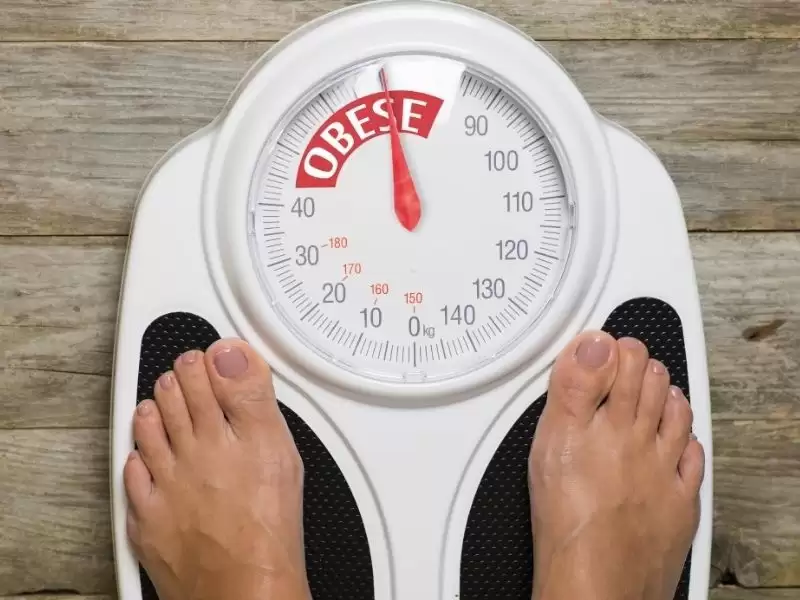
For many years, we have focused on a single criterion in the treatment of obesity: the amount of weight lost. However, we now need to ask a much more important question: Which approach offers us the strongest and most lasting long-term protection against heart attacks, strokes, heart failure, and cardiovascular deaths?
Today, we have three strategies, each supported by growing evidence in its respective field, that seek to answer this question:
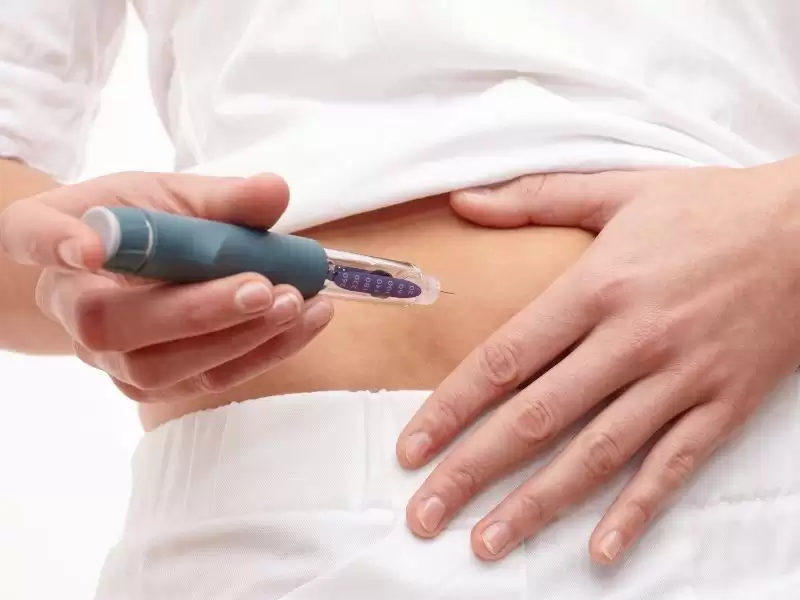
Weight Loss Injections (GLP-1 Medications) — Strong and Proven Cardiovascular Protection
The SELECT trial clearly demonstrated that the active ingredient semaglutide reduced major adverse cardiovascular events (MACE) by 20% in individuals without diabetes who were overweight or obese and had established cardiovascular disease (Lincoff et al., N Engl J Med, 2023).
These findings demonstrate that GLP-1-based treatments are not merely tools for weight loss but also groundbreaking molecules that provide direct cardiovascular protection.
Metabolic / Bariatric Surgery — Long-Term Metabolic and Heart Health
Long-term observational studies spanning several decades, such as the Swedish Obese Subjects (SOS) study, show that bariatric surgery significantly reduces the risk of heart attacks and cardiovascular mortality (by 40%) (Sjöström et al., JAMA / N Engl J Med).
Surgical procedures provide effective and often lasting improvements in diabetes, hypertension, and other associated risk factors.
Long-term observational studies spanning several decades, such as the Swedish Obese Subjects (SOS) study, show that bariatric surgery significantly reduces the risk of heart attacks and cardiovascular mortality (by 40%) (Sjöström et al., JAMA / N Engl J Med).
Surgical procedures provide effective and often lasting improvements in diabetes, hypertension, and other associated risk factors.
Surgery + Weight Loss Injections (GLP-1) — Could Combination Therapy Mark the Beginning of a New Era?
This may be the most exciting development in obesity treatment today.
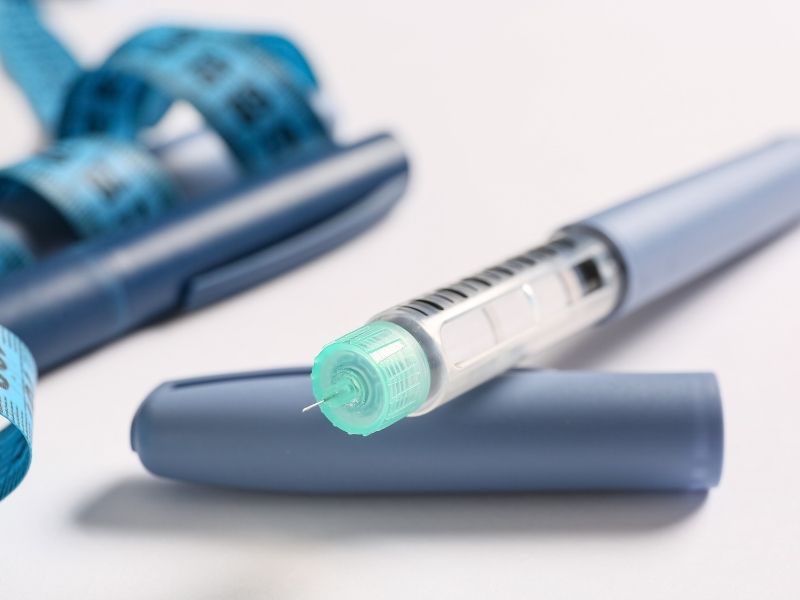
Imagine combining the lasting anatomical and metabolic advantages of surgical intervention with the powerful cardiovascular and metabolic effects of GLP-1 medications. The potential benefits promised by this integration are considerable:
Much more sustainable long-term weight management
Improved control of blood sugar and blood pressure
Management of weight regain that may occur after surgery (for example, GLP-1 support in cases of inadequate response or weight regain during the post-bariatric period)

In the Future:
In the future, obesity treatment will no longer revolve around the dilemma of "GLP-1 or bariatric surgery?" The medicine of tomorrow will be built on personalized metabolic care, combining medications, surgery, and combination therapies according to the severity of the patient's condition, cardiovascular risk, response to treatment, and personal goals.
Because our goal is no longer simply to lower the number on the scale; it is to prevent cardiovascular events, reduce the risk of disease, improve quality of life, and help our patients live longer, healthier lives.
Perhaps the real question we should be asking is:
Instead of "Which treatment wins?", we should ask, "Which treatment or combination provides the best long-term outcome for this specific patient?"
References and Recommended Reading:
SELECT Trial: Lincoff, A. M., et al. (2023). Semaglutide and Cardiovascular Outcomes in Obesity without Diabetes. New England Journal of Medicine, 389(24), 2221-2232.
SOS Study: Sjöström, L., et al. (2007). Effects of Bariatric Surgery on Mortality in Swedish Obese Subjects. New England Journal of Medicine, 357(8), 741-752.
HFpEF Focus: Wilding, J. P. H., et al. (STEP Trials / HFpEF cardiovascular outcomes). Weight-Loss and Heart Failure with Preserved Ejection Fraction Mechanisms.