
Dumping syndrome is a condition commonly seen in individuals who have undergone stomach surgery. It occurs when the stomach empties its contents into the small intestine faster than normal, either immediately after eating or within a few hours. This can disrupt the digestive process and cause a range of symptoms. Here is what you should know about the causes, symptoms, prevention methods, and treatment options for dumping syndrome.
What Is Dumping Syndrome?
Dumping syndrome is a condition associated with impaired stomach function. It is most commonly seen after stomach surgeries. After procedures such as stomach reduction surgery (gastric bypass), stomach cancer treatment, or ulcer surgery, stomach contents may pass into the intestines very quickly. This rapid transit disrupts the balance of the digestive system and leads to uncomfortable symptoms.
What Are The Symptoms Of Dumping Syndrome?
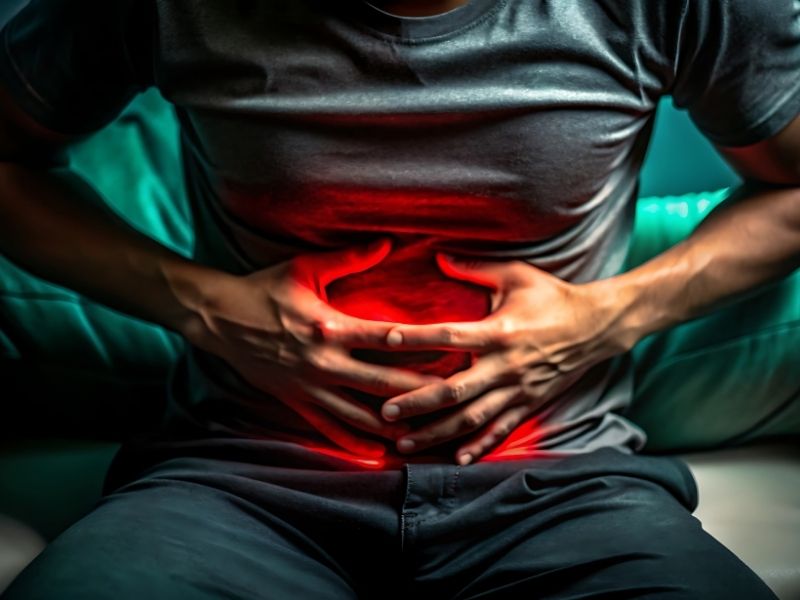
Symptoms of dumping syndrome may appear shortly after eating or within a few hours. In the early phase, problems such as post-meal bloating, nausea, abdominal pain, diarrhea, dizziness, and palpitations can occur. These symptoms become more severe especially after consuming a carbohydrate-rich meal. These rapid changes in the digestive system result from the stomach emptying its contents into the intestines too quickly.
Late-phase symptoms usually occur a few hours after eating. Due to a sudden drop in blood sugar, weakness, sweating, trembling, and a sudden feeling of hunger may develop. This is related to blood sugar rising rapidly after a meal and then dropping. The severity of symptoms can vary from person to person and is generally linked to eating habits. If symptoms of dumping syndrome occur, it is important to consult a doctor to manage the condition.
What Is The Dumping Syndrome Diet Like?
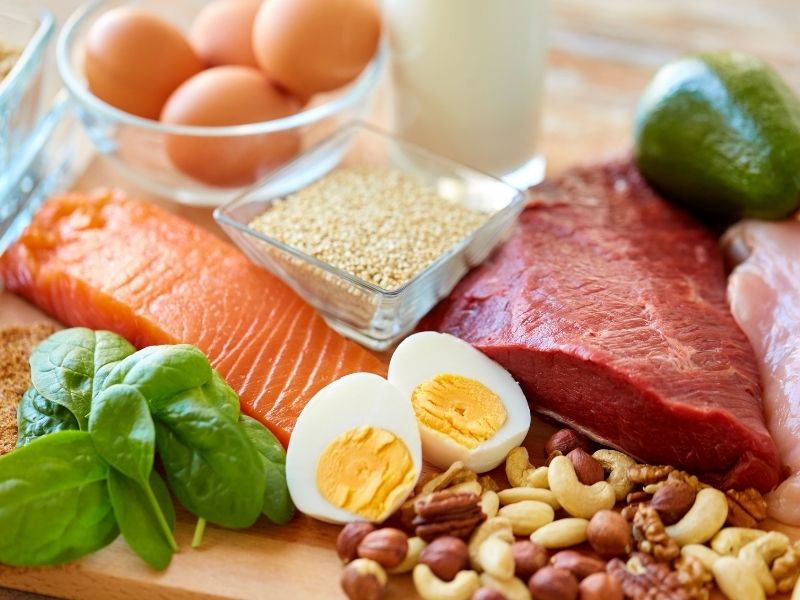
Following the right diet for dumping syndrome is one of the most effective ways to relieve symptoms and balance the digestive process. This diet helps the stomach empty its contents more slowly and also prevents sudden fluctuations in blood sugar. A dumping syndrome diet can be planned as follows:
- Eat balanced and frequent meals: Keep no more than 3–5 hours between meals and avoid prolonged fasting. Eating 4–6 small meals a day makes digestion easier and prevents overloading the stomach.
- Avoid simple sugars: Desserts, carbonated drinks, and foods containing refined sugar can cause sudden spikes in blood sugar. Instead, complex carbohydrates should be preferred.
- Add protein and healthy fats: Foods high in protein and healthy fats can help control symptoms by slowing stomach emptying.
- Regulate fluid intake: Avoid drinking fluids during meals. Drink fluids at least 30 minutes before or after meals.
- Increase high-fiber foods: Fiber-rich foods such as vegetables, whole grains, and legumes regulate digestion and help keep stomach movements under control.
For a personalized diet plan, be sure to consult a doctor and a dietitian.
What Should You Do To Prevent Dumping Syndrome?
Preventing dumping syndrome involves not only healthy eating habits but also lifestyle changes. Eating slowly and chewing thoroughly helps prevent sudden overload on the stomach and supports easier digestion. Likewise, avoiding large portions and giving up the habit of eating quickly can help you avoid straining your stomach. Not eating late at night is also important, because it can slow the digestive system and increase symptoms.
Staying away from sugary and processed foods is an effective step in preventing dumping syndrome. Choosing natural, unprocessed foods instead of desserts, carbonated drinks, and packaged products can be beneficial. Light exercises support stomach function by regulating digestion. In addition, following the recommendations of your dietitian and doctor helps you plan your eating routine in a way that suits dumping syndrome. These simple but effective measures can help prevent symptoms related to dumping syndrome by balancing how the stomach works.
In Which Situations Does Dumping Syndrome Develop?
Dumping syndrome usually occurs after surgical interventions that affect the structure and function of the stomach. This causes stomach contents to pass into the small intestine faster than normal and leads to disruptions in the digestive process.
One of the most common causes is weight-loss surgeries known as bariatric surgery. In particular, sleeve gastrectomy and gastric bypass procedures increase the risk of dumping syndrome. These surgeries reduce the volume of the stomach, which may cause food to reach the intestines rapidly.
Stomach surgeries performed for stomach cancer treatment or severe ulcer cases can also lead to dumping syndrome. When part of the stomach is removed during these procedures or the structure of the digestive system is altered, the balance between the stomach and intestines may be disrupted.
Although rare, dumping syndrome can also occur due to diseases that affect the stomach’s nerve and muscle functions or metabolic disorders such as diabetes. This syndrome, which typically develops in individuals with a history of surgery, can be managed with accurate diagnosis and appropriate treatment.
Diagnosis Of Dumping Syndrome
The diagnosis of dumping syndrome is made based on the patient’s medical history and symptoms. Your doctor may evaluate the symptoms and request additional tests such as blood tests or an oral glucose tolerance test. In addition, imaging methods such as endoscopy or a barium stomach X-ray may be used to assess the anatomical structure of the stomach and intestines. Diagnosis is generally based on the relationship of symptoms to meals and the patient’s surgical history.
Treatment Of Dumping Syndrome
Treatment for dumping syndrome primarily aims to control symptoms through changes in diet and lifestyle. Measures such as eating small, frequent meals, avoiding sugary and processed foods, and limiting fluid intake during meals can help relieve symptoms by slowing stomach emptying. A diet that includes protein and healthy fats, along with consuming fiber-rich foods, can also help regulate digestion.
If dietary changes are not sufficient, doctors may use medications to relieve symptoms. Medications that slow stomach emptying can help balance the sudden absorption of sugar in the intestines. In addition, certain glucose-regulating medications may be prescribed to control fluctuations in blood sugar.
If symptoms cannot be controlled despite diet and medication therapy, surgical intervention options may be considered. These interventions generally aim to regulate the passage between the stomach and intestines. However, surgical treatment is rarely used and is typically preferred only in severe cases where other methods have failed.