
Obesity surgery (sleeve gastrectomy, gastric bypass, etc.) may require a delicate nutritional routine afterward. Fluid balance, vitamin-mineral absorption, and sleep quality can play an important role during this period. Although coffee is a common beverage in daily life, it is recommended to be cautious with its consumption after surgery.
The Diuretic (Urine-Boosting) Effect of Coffee
Caffeine may have a diuretic effect. Since excessive coffee consumption can lead to fluid loss, it is recommended to pay close attention to fluid intake in the post-operative period. Therefore, delaying coffee consumption for a while or reducing the amount may be beneficial.
Coffee and Sleep Pattern
Caffeine can stimulate the nervous system and increase alertness. However, drinking coffee—especially in the evening—may negatively affect sleep. Maintaining sleep quality in the post-operative period is important both for recovery and for the weight-loss process. For this reason, it is recommended to limit coffee consumption to the morning and early afternoon.
Coffee and Vitamin-Mineral Absorption
Iron absorption: In the long term after surgery, iron deficiency may be seen. Since coffee may reduce the absorption of plant-based (non-heme) iron by 30–40%, it is recommended not to consume it together with meals that contain iron.
Calcium: After gastric bypass, calcium absorption may decrease, which can pose a risk for bone health. Since coffee may increase urinary calcium excretion, it is recommended to take calcium supplements and calcium-rich foods separately from coffee.
Magnesium and zinc: Low levels of these minerals may occur. Coffee’s effect of speeding up intestinal motility may indirectly affect the absorption of these minerals. Therefore, it is recommended to pay attention to mineral intake.
Drinking Coffee to Feel Full: Is It Effective in Diets?
Many people who are dieting may prefer coffee “to feel full.” Caffeine may have a short-term appetite-suppressing effect and can reduce the feeling of hunger. It may also slightly increase metabolism and make a small contribution to energy expenditure.
Using coffee as a meal replacement is not recommended, because it is almost zero in calories and does not provide real satiety. In the long term, skipping meals may lead to insufficient protein and vitamin-mineral intake. In addition, excessive caffeine intake may contribute to issues such as palpitations, anxiety, and increased stomach acid.
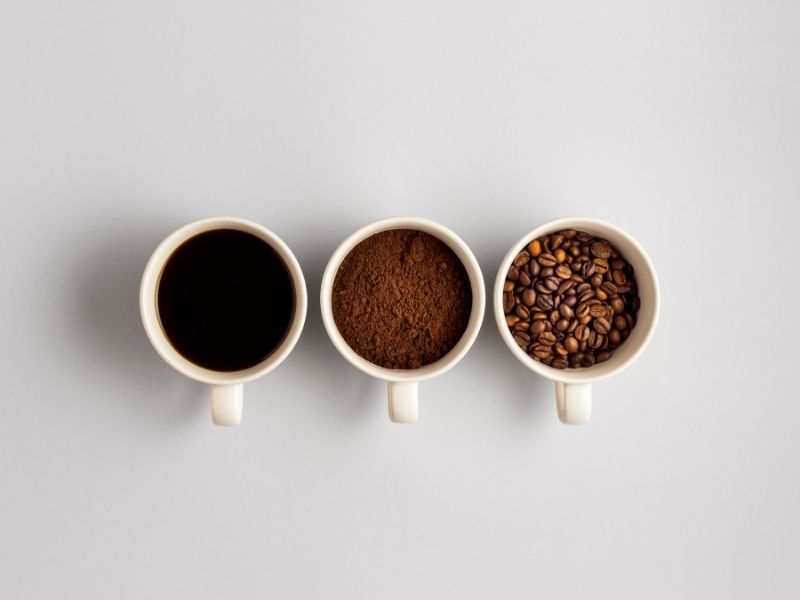
For healthy adults, a safe caffeine amount can generally be limited to 300–400 mg per day; this corresponds to about 3–4 cups of filter coffee. During the dieting process, it is recommended not to exceed this limit and to view coffee as a supportive beverage alongside meals.
Coffee is not completely forbidden after obesity surgery; however, moderate and mindful consumption is recommended. Coffee’s diuretic effect, its possible impact on sleep patterns, and its effects in reducing iron and calcium absorption should be taken into consideration.
In diets, viewing coffee as a “miracle that keeps you full” can be misleading. Caffeine may provide short-term appetite suppression, but balanced meals should be the priority for healthy and sustainable satiety.
Keywords: coffee after obesity surgery, coffee iron absorption, coffee and diet, does coffee keep you full, benefits and harms of coffee
References
- Alvarez-Leite, J. I. (2004). Nutrient deficiencies secondary to bariatric surgery. Current Opinion in Clinical Nutrition & Metabolic Care, 7(5), 569–575. https://doi.org/10.1097/00075197-200409000-00006
- Cano-Marquina, A., Tarín, J. J., & Cano, A. (2013). The impact of coffee on health. Maturitas, 75(1), 7–21. https://doi.org/10.1016/j.maturitas.2013.02.002
- Morck, T. A., Lynch, S. R., & Cook, J. D. (1983). Inhibition of food iron absorption by coffee. The American Journal of Clinical Nutrition, 37(3), 416–420. https://doi.org/10.1093/ajcn/37.3.416
- Stein, J., Stier, C., Raab, H., & Weiner, R. (2014). Review article: The nutritional and pharmacological consequences of obesity surgery. Alimentary Pharmacology & Therapeutics, 40(6), 582–609. https://doi.org/10.1111/apt.12872
- BBC Türkçe. (2023). Articles on nutrition after obesity surgery. Retrieved from https://www.bbc.com/turkce/articles/cx20deekq13o & https://www.bbc.com/turkce/articles/cewg95nv8p0o