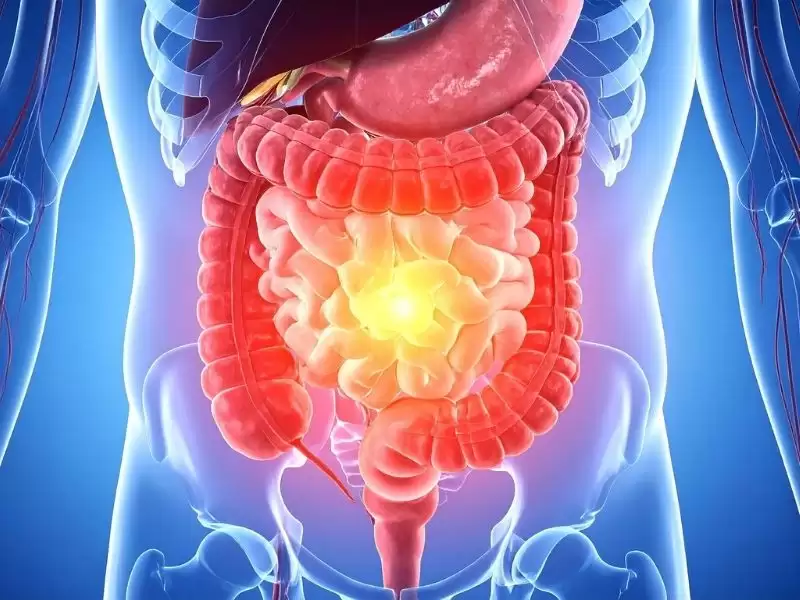
Bariatric surgery has become a popular and effective option for people struggling with severe obesity and the related health risks. Although this life-changing procedure can significantly improve overall health and quality of life, failing to manage the post-operative process well may bring problems in certain areas. One of these areas is dental health.
Dental health is often overlooked in conversations about bariatric surgery, yet the changes that occur after surgery can affect the health of the teeth and gums both directly and indirectly. This blog post examines the complex relationship between bariatric surgery and dental health, sheds light on potential risks, and offers tips for a healthy smile.
The Effect of Bariatric Surgery on Dental Health
1. Nutrient Deficiencies
Bariatric procedures such as gastric bypass and sleeve gastrectomy alter the structure of the digestive system to promote weight loss. While effective, these changes can lead to reduced absorption of some vital nutrients:
Calcium and Vitamin D: Deficiency in these nutrients can cause the teeth and jawbones to weaken, increasing susceptibility to gum disease and cavities.
Vitamin B12: Deficiency can lead to oral symptoms such as inflammation of the tongue (glossitis), painful mouth sores, and a burning sensation in the mouth.
Iron: Iron deficiency anemia may present with pale gums, mouth sores, or an increased risk of infection.
2. Acid Reflux and Vomiting
Acid reflux is a common problem after bariatric surgery. When stomach acids frequently come into contact with the teeth, they can erode tooth enamel, leading to sensitivity, discoloration, and an increased risk of cavities. Similarly, vomiting—another potential side effect—exposes the teeth to harmful stomach acids.
3. Dietary Changes
After surgery, patients are encouraged to eat small and frequent meals. While this helps manage digestion and weight loss, it can lead to unexpected consequences for oral health:
Frequent Snacking: Prolonged and continuous exposure to high-carbohydrate foods can promote bacterial growth, increasing the risk of cavities.
Soft Foods: Post-operative diets often rely for a period on soft or liquid foods that can stick to the teeth, which can promote tooth decay if not brushed regularly.
4. Dry Mouth (Xerostomia)
Dry mouth is a side effect of not being able to drink enough water after surgery, certain medications, or dietary changes. Saliva is important for clearing food particles and neutralizing acids; reduced saliva increases the risk of tooth decay and gum disease.
5. Behavioral Changes
Adapting to new eating habits and managing post-operative care can sometimes lead to disruptions in oral hygiene. In addition, stress or anxiety during recovery may cause habits such as teeth grinding (bruxism), which can lead to tooth wear.
The Importance of Dental Health After Surgery
Dental health problems can have a cascading effect on overall health. Poor oral health not only affects your ability to eat comfortably, but it can also contribute to systemic health issues such as infections or inflammation. These can make recovery after bariatric surgery more difficult.
How Can You Protect Your Teeth After Bariatric Surgery?
A proactive approach is required to maintain oral health after surgery. Here are some key tips:
Maintain a Solid Oral Hygiene Routine:
- Brush your teeth twice a day with fluoride toothpaste.
- Use a soft-bristled toothbrush to protect enamel and gums.
- Use dental floss daily to remove food particles between the teeth.Rinse Your Mouth After Acid Exposure:
- If you experience acid reflux or vomiting, rinse your mouth immediately with water or a fluoride mouthwash. Wait at least 30 minutes before brushing your teeth to avoid further damage to tooth enamel.
- Drink plenty of water to combat dry mouth and keep your mouth clean.
- To stimulate saliva production, sugar-free gum can be chewed 1 month after surgery.
Choose Healthy Foods:
- Avoid consuming sugary and acidic foods that can harm your teeth.
- Opt for nutrient-dense choices to support overall and oral health. Protein sources such as meat, chicken, fish, and eggs should be among your primary options.
Take the Recommended Supplements:
- Use the supplements recommended by your doctor to prevent calcium, vitamin D, B12, and iron deficiencies.
Visit the Dentist Regularly:
- Schedule regular dental check-ups to detect issues such as decay or erosion early.
- Inform your dentist about your surgery so they can tailor your care to your specific needs.
Conclusion
Bariatric surgery provides incredible benefits for weight loss and overall health, but its effects on dental health should not be overlooked. By being aware of the risks and taking steps to protect your teeth and gums, you can maintain a healthy smile while enjoying all the advantages of surgery.
If you are considering bariatric surgery or have started this journey, talk to your dentist about how best to protect your oral health after surgery. A little precaution helps keep your smile healthy while you enjoy your new lifestyle.